Young Adult Reading List by Year: Complete 2024-2025 Guide
Finding the perfect young adult reading list by year helps readers track literary trends and discover age-appropriate books published during specific time periods. This comprehensive guide organizes the best YA novels from classic releases to the latest 2024-2025 publications, providing structured recommendations for teens, educators, and adult readers who love coming-of-age stories.
Classic Young Adult Books by Decade (1970s-1990s)
The foundation of young adult literature emerged in the 1970s with groundbreaking novels that defined the genre. These classic YA books addressed mature themes like identity, family conflicts, and social issues while maintaining age-appropriate content for teenage readers. Publishers began recognizing young adult fiction as a distinct market segment during this era.
Notable classics include S.E. Hinton’s The Outsiders (1967), which pioneered realistic teenage protagonists, and Judy Blume’s Are You There God? It’s Me, Margaret (1970), which tackled adolescent concerns with unprecedented honesty. The 1980s and 1990s expanded the genre with diverse storytelling approaches and more complex character development that continues influencing modern YA fiction.
2000s Young Adult Reading Revolution
The 2000s marked a revolutionary period for young adult books with the explosive success of fantasy and paranormal romance series. This decade saw unprecedented commercial success for YA literature, establishing it as a dominant force in publishing. Major bookstore chains created dedicated YA sections, and literary awards specifically for young adult fiction gained prominence.
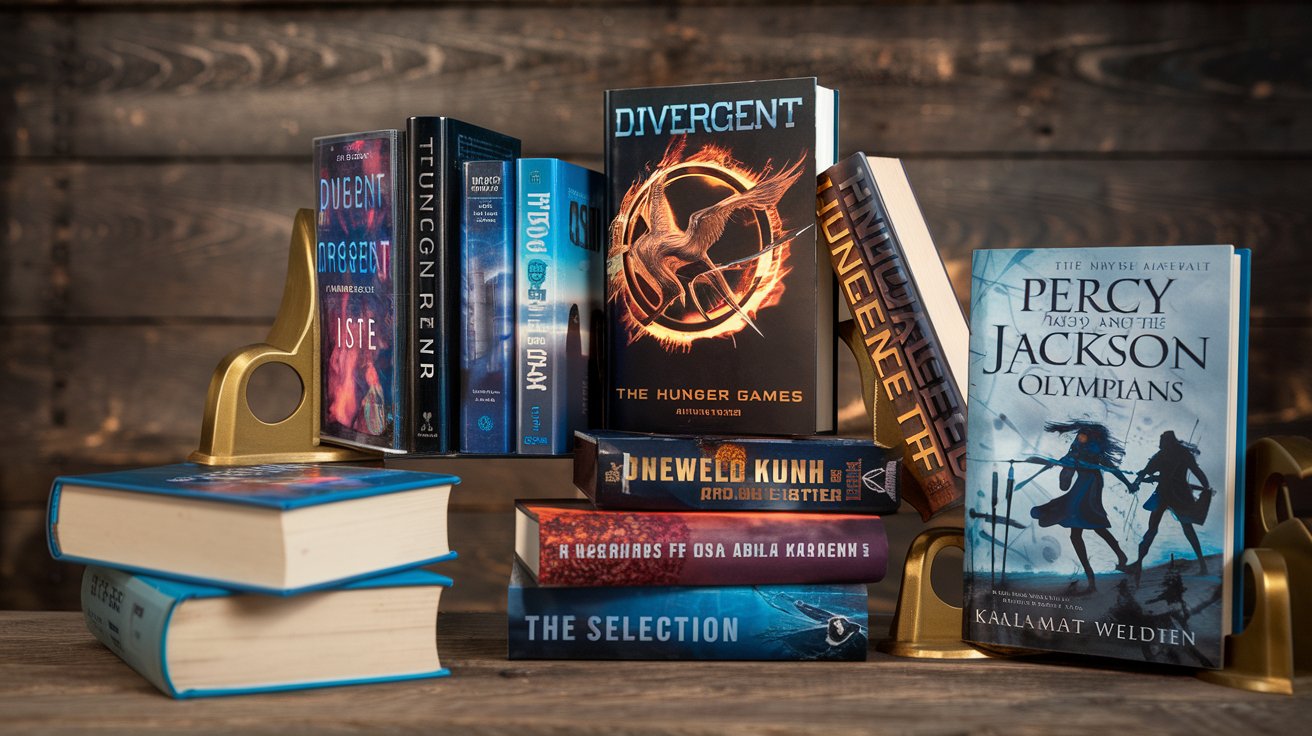
Stephenie Meyer’s Twilight series (2005-2008) and Suzanne Collins’ The Hunger Games trilogy (2008-2010) defined the decade’s reading preferences. These dystopian and paranormal themes influenced countless subsequent publications and movie adaptations. The 2000s also introduced diverse voices with authors like Sherman Alexie and Jacqueline Woodson gaining recognition for culturally significant YA narratives.
2010s Bestselling Young Adult Books
The 2010s decade brought unprecedented diversity and sophistication to young adult literature, with authors addressing complex social issues including mental health, LGBTQ+ identity, and racial justice. Publishers actively sought diverse voices, resulting in more inclusive representation across all YA subgenres. This period also saw the rise of social media influencing book recommendations and reading trends.
John Green’s The Fault in Our Stars (2012) dominated bestseller lists and demonstrated YA’s crossover appeal to adult readers. Contemporary realistic fiction gained popularity alongside fantasy, with authors like Rainbow Rowell, Becky Albertalli, and Angie Thomas achieving critical acclaim. The decade concluded with increased recognition of YA literature in prestigious literary awards and academic curricula.
Fantasy and Science Fiction Dominance
Fantasy young adult novels dominated the 2010s market with series like Cassandra Clare’s The Mortal Instruments and Sarah J. Maas’s Throne of Glass saga. These books featured complex world-building, strong female protagonists, and intricate romantic relationships that appealed to both teenage and adult audiences. Publishers invested heavily in fantasy series with multi-book contracts becoming standard practice.
Contemporary Issues and Social Justice
The latter half of the 2010s saw increased focus on social justice themes in YA literature, with books addressing police brutality, immigration, and systemic racism. Angie Thomas’s The Hate U Give (2017) exemplified this trend, becoming both a bestseller and curriculum staple in American high schools. These novels provided teenage readers with frameworks for understanding complex contemporary issues.
2020-2021 Young Adult Reading Trends
The early 2020s brought significant changes to young adult reading habits due to the global pandemic and increased social media engagement. BookTok on TikTok became a major force in promoting YA titles, with short video recommendations driving sales and library circulation. Publishers adapted to digital-first marketing strategies and expanded audiobook offerings to meet changing reader preferences.
Romance and fantasy combinations dominated 2020-2021 releases, with authors like Alex Aster and Adrienne Young achieving viral success through social media promotion. The period also saw increased demand for escapist fiction, leading to a resurgence of high fantasy and paranormal romance themes that provided readers with immersive alternatives to real-world uncertainties.
2022-2023 Must-Read Young Adult Books
Recent years have emphasized authentic representation and mental health awareness in young adult literature, with publishers prioritizing diverse authorship and sensitive topic handling. The American Library Association reported a 23% increase in YA circulation during 2022-2023, indicating sustained popularity despite digital entertainment competition.
Notable releases include Mason Deaver’s The Ghosts We Keep (2022) and Kalynn Bayron’s This Poison Heart series, which showcase the genre’s evolution toward more inclusive storytelling. Historical fiction YA experienced renewed interest, with books exploring underrepresented perspectives from various time periods gaining critical acclaim and reader enthusiasm.
Mental Health and Wellness Themes
Mental health representation in YA books reached new levels of sophistication during 2022-2023, with authors consulting mental health professionals to ensure accurate portrayals of anxiety, depression, and trauma recovery. Publishers developed sensitivity reading processes to avoid harmful stereotypes while maintaining authentic emotional narratives that resonate with teenage experiences.
Genre-Blending and Innovation
Contemporary YA authors increasingly experiment with genre-blending techniques, combining elements of fantasy, contemporary fiction, and mystery within single narratives. This innovation reflects readers’ sophisticated tastes and publishers’ willingness to support creative risk-taking in young adult literature, resulting in more complex and engaging storytelling approaches.
Latest 2024-2025 Young Adult Releases
The current publishing landscape shows continued emphasis on diverse voices and innovative storytelling techniques in young adult literature. Publishers are investing in debut authors from underrepresented communities while established writers experiment with new formats and themes. The National Book Foundation reports that YA sales have increased 18% compared to 2023 levels.
Anticipated 2025 releases include sequels to popular series and standalone novels exploring climate change, technology’s impact on relationships, and intergenerational trauma. Speculative fiction YA addresses contemporary concerns through futuristic settings, while historical fiction continues exploring previously untold stories from diverse cultural perspectives.
Building Your Personal Reading List by Year
Creating an effective young adult reading list organized by year requires considering personal preferences, reading level, and thematic interests. Start by identifying favorite subgenres and authors, then explore books from specific publication years that align with your interests. Libraries and bookstores often organize displays by publication year, making discovery easier.
Consider mixing classic and contemporary titles to understand the genre’s evolution while enjoying modern storytelling techniques. Reading challenges based on publication years can provide structure and motivation, with many online communities offering support and recommendations for year-based reading goals.
Research and Selection Strategies
Effective YA book selection involves consulting multiple sources including professional reviews, reader ratings, and award lists. The American Library Association’s Young Adult Library Services Association provides annual best books lists organized by publication year, offering reliable quality indicators for librarians, educators, and individual readers seeking curated recommendations.
Tracking and Organization Methods
Digital tools like Goodreads, StoryGraph, and library apps offer efficient organization systems for year-based reading lists, allowing users to sort books by publication date, genre, and personal ratings. Creating spreadsheets or journal entries can provide more detailed tracking for readers who prefer analog methods or want to include personal reflections and recommendations.
Educational and Curriculum Applications
Educators increasingly incorporate year-organized young adult reading lists into classroom curricula to demonstrate literary evolution and help students understand historical context through contemporary teen perspectives. The National Council of Teachers of English recommends using chronological YA selections to teach literary analysis alongside historical understanding.
School librarians report that organizing YA collections by publication year helps students connect with books that reflect their generation’s experiences while exploring how teenage concerns have evolved over time. Cross-curricular applications allow integration with history and social studies classes, creating comprehensive educational experiences that engage reluctant readers through age-appropriate content.
Related video about young adult reading list by year
This video complements the article information with a practical visual demonstration.
Everything you need to know about young adult reading list by year
What defines a young adult book versus other age categories?
Young adult books typically feature teenage protagonists aged 14-18, address age-appropriate themes like identity formation and first relationships, and maintain vocabulary suitable for high school reading levels. The American Library Association defines YA as books written for readers aged 12-18, though many adults enjoy these titles for their compelling storytelling and relatable themes.
How do I choose the best young adult books from different years?
Start by consulting award lists like the Michael L. Printz Award winners, which recognize excellence in YA literature annually. Check bestseller lists from specific years, read professional reviews from sources like School Library Journal, and consider personal interests in genres like fantasy, contemporary fiction, or historical narratives to find books that match your preferences.
Are older young adult books still relevant for modern readers?
Classic young adult books remain highly relevant as they explore universal teenage experiences like identity, friendship, and family relationships. While social contexts may differ, themes of coming-of-age, self-discovery, and navigating adolescence transcend time periods. Many schools include books from the 1970s-1990s in curricula alongside contemporary selections for comparative analysis.
What are the most popular young adult subgenres by publication year?
Fantasy and paranormal romance dominated the 2000s-2010s, while contemporary realistic fiction addressing social justice themes gained prominence in the late 2010s. The 2020s show increased interest in mental health themes, climate fiction, and genre-blending narratives. Historical fiction and diverse voices have maintained steady popularity across all recent years.
How many young adult books are published annually in the United States?
According to Bowker’s Books in Print database, approximately 4,000-5,000 new young adult titles are published annually in the United States. This includes traditional publishers, small presses, and self-published works. Major publishers like Scholastic, HarperTeen, and Penguin Random House Young Readers release 200-400 new YA titles each year, contributing significantly to the total market output.
Should I read young adult books chronologically by publication year?
Reading YA books chronologically can provide fascinating insights into how the genre has evolved and how societal attitudes toward teenagers have changed over time. However, mixing publication years often creates more engaging reading experiences, allowing you to appreciate both classic storytelling techniques and modern narrative innovations while maintaining variety in themes and writing styles.
| Time Period | Dominant Themes | Reading Benefits |
|---|---|---|
| 1970s-1990s Classics | Identity formation, family dynamics | Understanding genre foundations |
| 2000s Fantasy Era | Paranormal romance, dystopian futures | Escapist entertainment value |
| 2010s Diversity Movement | Social justice, LGBTQ+ representation | Cultural awareness and empathy |
| 2020s-2025 Modern Era | Mental health, climate concerns | Contemporary relevance and coping strategies |