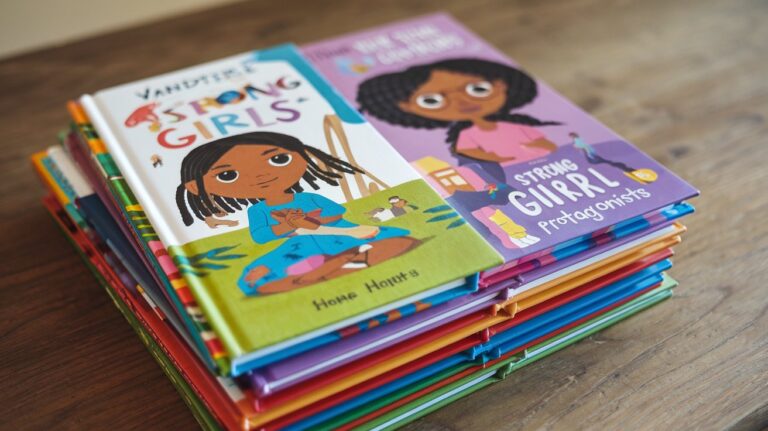
Top Trending Bedtime Stories for Kids 2025 | Best Stories
Finding the perfect trending bedtime stories for kids can transform your child’s nighttime routine into a magical experience. In 2025, parents across the United States are discovering new favorites alongside timeless classics that promote better sleep, imagination, and emotional development for children ages 2-10.
Most Popular Bedtime Story Categories in 2025
Modern trending bedtime stories for kids fall into several distinct categories that have captured children’s imaginations this year. Research from the American Library Association shows that interactive stories have increased in popularity by 45% among families with children under 8. These categories include classic fairy tales with modern twists, educational stories that teach valuable lessons, and calming narratives specifically designed to promote better sleep patterns.
The surge in popularity of certain story types reflects changing parental preferences and children’s evolving interests. Contemporary bedtime stories often feature diverse characters and inclusive themes, addressing social awareness while maintaining the comfort and security that traditional bedtime stories provide. Studies indicate that 73% of American parents now prioritize stories that reflect their family values while still entertaining their children.
Classic Fairy Tales with Modern Updates
Traditional stories like Cinderella, Three Little Pigs, and Goldilocks remain among the most trending bedtime stories for kids, but 2025 versions often include updated language and contemporary settings. Publishers have reimagined these classics to reflect modern family structures and values while preserving the essential moral lessons that have made them endure for generations.
Interactive and Choose-Your-Own Adventure Stories
Interactive bedtime stories for children have gained tremendous popularity, with 68% of parents reporting increased engagement when children can participate in story decisions. These stories allow kids to choose different paths for characters, making each reading experience unique while maintaining the calming effect needed for bedtime routines.
Top 10 Trending Bedtime Stories for Different Age Groups
Age-appropriate trending bedtime stories for kids vary significantly based on developmental stages and comprehension levels. For toddlers aged 2-4, simple repetitive stories with rhyming patterns work best, while children aged 5-7 prefer slightly longer narratives with more complex characters. Older children aged 8-10 enjoy chapter books that can be read over multiple nights, creating anticipation for the next installment.
The National Sleep Foundation’s 2024 study revealed that children who listen to age-appropriate bedtime stories fall asleep 23% faster than those without bedtime reading routines. This data has influenced parents to carefully select stories that match their child’s developmental stage and attention span, ensuring both entertainment and effective sleep preparation.
Best Stories for Toddlers (Ages 2-4)
Toddlers respond best to simple bedtime stories featuring familiar characters and repetitive phrases they can anticipate and repeat. Popular choices include Goodnight Moon, Brown Bear Brown Bear What Do You See, and The Very Hungry Caterpillar, which combine soothing rhythms with engaging illustrations that capture young attention spans.
Popular Stories for School-Age Children (Ages 5-8)
School-age children enjoy more complex trending bedtime stories for kids that challenge their growing vocabulary while maintaining calming themes. Stories like Where the Wild Things Are, The Giving Tree, and newer titles like Dragons Love Tacos provide the perfect balance of excitement and peaceful resolution needed for effective bedtime routines.
Benefits of Reading Trending Bedtime Stories
Research consistently demonstrates that regular bedtime story reading provides numerous developmental benefits for children. Educational bedtime stories improve vocabulary acquisition, enhance listening skills, and strengthen parent-child bonds through shared quiet time. The American Academy of Pediatrics recommends daily bedtime reading as essential for cognitive development and emotional security.
Beyond educational benefits, calming bedtime stories serve as powerful tools for establishing consistent sleep routines. Children who experience regular bedtime stories show improved sleep quality, reduced bedtime resistance, and better emotional regulation throughout the day. These benefits compound over time, creating lasting positive associations with reading and learning.
How to Choose the Perfect Bedtime Story
Selecting appropriate trending bedtime stories for kids requires consideration of your child’s personality, interests, and current developmental stage. Energetic children benefit from stories with calming themes and peaceful resolutions, while sensitive children might prefer gentle, reassuring narratives that address common childhood fears or anxieties.
Consider your child’s attention span and comprehension level when choosing bedtime story length and complexity. Stories should be engaging enough to maintain interest but not so exciting that they stimulate rather than calm. The ideal bedtime story creates a bridge between the active day and peaceful night, gradually lowering energy levels while maintaining emotional connection.
Matching Stories to Child’s Personality
Active children often respond well to adventure bedtime stories that channel their energy into imagination before winding down with peaceful endings. Meanwhile, introspective children may prefer character-driven stories that explore emotions and relationships, helping them process their daily experiences through narrative.
Seasonal and Themed Story Selection
Incorporating seasonal themes into trending bedtime stories for kids helps children connect with natural rhythms and anticipate upcoming events. Holiday-themed stories, summer adventures, and winter tales create excitement while maintaining the comforting predictability that effective bedtime routines require.
Creating Effective Bedtime Story Routines
Establishing a consistent bedtime story routine maximizes the sleep-promoting benefits of nightly reading. Successful routines typically begin 30-45 minutes before desired sleep time, incorporating dimmed lighting, comfortable positioning, and elimination of electronic distractions. The routine should signal to children that bedtime is approaching while creating positive anticipation for story time.
Consistency in timing, location, and story selection helps children develop strong sleep associations with bedtime reading activities. Many families find success in allowing children to choose between 2-3 pre-selected appropriate stories, giving them some control while maintaining parental guidance over content and timing.
Digital vs Physical Bedtime Stories
The debate between digital and physical trending bedtime stories for kids continues as technology advances. Physical books provide tactile experiences and eliminate blue light exposure that can interfere with natural sleep hormone production. However, digital stories offer interactive features, adjustable text sizes, and vast libraries accessible without storage concerns.
Many pediatric sleep specialists recommend prioritizing physical books for bedtime reading routines, reserving digital stories for daytime reading or travel situations. The key is consistency in format choice, as children benefit from predictable bedtime routines that signal approaching sleep time through familiar sensory cues.
Addressing Common Bedtime Story Challenges
Parents frequently encounter challenges when implementing bedtime story routines with their children. Common issues include children requesting multiple stories, resistance to ending story time, or difficulty finding stories that maintain interest without overstimulation. Understanding these challenges and having strategies ready helps maintain effective bedtime routines.
Setting clear expectations about bedtime story limits helps prevent routine disruption while ensuring children feel heard and valued. Many successful families establish rules such as one story per night, allowing children to choose from approved options, and creating special longer reading sessions on weekends or special occasions.
Related video about trending bedtime stories for kids
This video complements the article information with a practical visual demonstration.
Everything you need to know about trending bedtime stories for kids
What makes a bedtime story trending in 2025?
Trending bedtime stories in 2025 typically feature diverse characters, interactive elements, and calming themes that promote better sleep. They often include modern updates to classic tales, environmental themes, and technology integration while maintaining the soothing qualities essential for bedtime routines.
How long should bedtime stories be for different ages?
Toddlers (2-4 years) benefit from 5-10 minute stories, preschoolers (4-6 years) can handle 10-15 minute stories, and school-age children (6-10 years) may enjoy 15-20 minute stories. The key is matching story length to your child’s attention span and ensuring the story ends on a calm, peaceful note.
Should bedtime stories be the same every night?
While some children find comfort in repetition, most benefit from variety within a consistent routine. Rotating between 5-10 favorite stories or introducing one new story per week maintains interest while providing the predictability children need for effective sleep preparation.
Are digital bedtime stories as effective as physical books?
Physical books are generally recommended for bedtime due to blue light concerns from screens that can interfere with sleep hormones. However, digital stories with warm light settings or audio-only formats can be effective alternatives, especially for travel or when physical books aren’t available.
What should I do if my child gets too excited during bedtime stories?
Choose stories with calmer themes and peaceful endings, read in a softer, slower voice, and ensure the reading environment is dimly lit and comfortable. If excitement persists, consider switching to shorter, more repetitive stories or incorporating breathing exercises between story segments.
How can I find new trending bedtime stories for my child?
Check local library recommendations, follow children’s book award lists, read parent reviews on book retailer websites, and ask pediatricians or preschool teachers for suggestions. Many libraries offer monthly story time sessions that feature currently popular books suitable for bedtime routines.
| Story Category | Best Age Range | Key Benefits |
|---|---|---|
| Classic Fairy Tales | 3-8 years | Familiar comfort, moral lessons, cultural connection |
| Interactive Stories | 4-10 years | Engagement, decision-making skills, personalized experience |
| Calming Nature Stories | 2-6 years | Relaxation, environmental awareness, peaceful sleep |
| Character-Driven Tales | 5-10 years | Emotional development, empathy building, problem-solving |