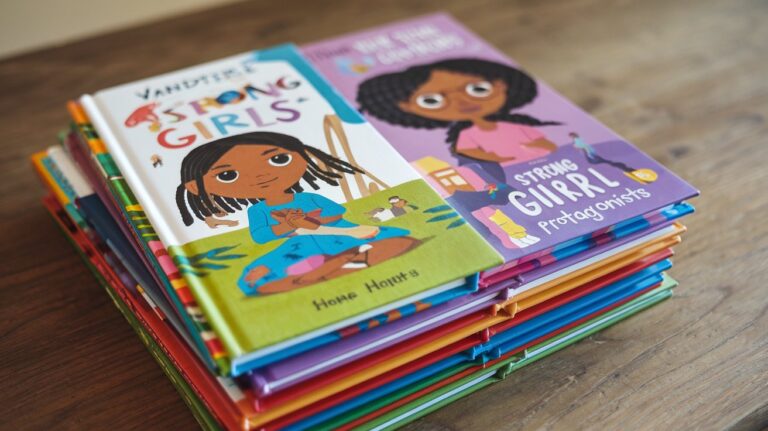
Why Representation in Books Matters: Impact & Benefits 2025
The importance of representation in books has reached unprecedented levels in 2025, fundamentally reshaping how readers connect with literature and understand the world around them. Diverse representation in literature serves as both a mirror for readers to see themselves and a window into experiences different from their own, creating empathy, understanding, and validation across communities.
What Is Literary Representation and Why It Matters
Literary representation encompasses the authentic portrayal of diverse characters, experiences, and perspectives within books across all genres and age groups. This includes representation of different races, ethnicities, sexual orientations, gender identities, disabilities, socioeconomic backgrounds, and cultural experiences. In 2025, the publishing industry has recognized that meaningful representation goes beyond surface-level diversity to include authentic voice, cultural accuracy, and genuine character development that respects and honors different communities.
The significance of representation in literature extends far beyond simple inclusion statistics. When readers encounter characters who share their identity, background, or experiences, it validates their existence and worth within society. Simultaneously, when readers engage with stories featuring characters different from themselves, they develop crucial empathy skills and cultural understanding that contribute to a more inclusive society.
Current State of Diversity in Publishing 2024-2025
According to the Cooperative Children’s Book Center’s 2024 annual report, approximately 32% of children’s books published in the United States featured diverse characters, showing steady growth from previous years. The importance of diverse books has driven significant industry changes, with major publishers establishing diversity initiatives and actively seeking manuscripts from underrepresented authors. Young adult literature has shown particularly strong progress, with over 40% of new releases featuring diverse protagonists or addressing multicultural themes.
Adult fiction has also experienced notable improvements in representation in books, with bestseller lists regularly featuring works by authors from various backgrounds. Independent publishers continue to lead the charge in publishing diverse voices, while traditional publishing houses have increased their commitment to inclusive storytelling through targeted acquisition programs and mentorship initiatives for emerging writers from underrepresented communities.
Ethnic and Racial Representation Statistics
The 2024 publishing data reveals that books featuring African American characters comprised 14% of new releases, while Latino/Hispanic representation reached 8%, and Asian American stories accounted for 11%. Indigenous representation in literature has grown to 2.5%, though advocates continue pushing for increased authentic storytelling from Native American authors. These statistics represent significant progress from a decade ago when diverse representation rarely exceeded single-digit percentages across most categories.
LGBTQ+ and Disability Representation Growth
LGBTQ+ representation has expanded dramatically, with 18% of young adult novels featuring queer characters or themes in 2024. Disability representation in books has also increased, reaching 6% of new publications, with authors and advocates emphasizing the need for authentic portrayals written by disabled authors themselves. Mental health themes have become particularly prominent, reflecting societal awareness and the importance of destigmatizing mental health conversations through literature.
Educational Impact of Diverse Literature
Research from the American Library Association demonstrates that students who read diverse books show measurably higher levels of cultural competence, empathy, and critical thinking skills. Schools across the United States have begun incorporating more inclusive reading lists, recognizing that representation in literature directly impacts student engagement and academic performance. Students who see themselves reflected in classroom materials demonstrate increased participation and improved reading comprehension scores.
The importance of representation in children’s books becomes particularly evident in elementary education settings. Children who encounter diverse characters and stories develop stronger self-esteem and more positive attitudes toward learning. Additionally, students from majority backgrounds benefit equally from exposure to diverse perspectives, developing crucial social awareness and cultural sensitivity that prepares them for an increasingly interconnected world.
Psychological Benefits of Literary Representation
Mental health professionals have documented significant psychological benefits associated with reading representative literature. When individuals encounter characters who share their experiences, struggles, or identity markers, it reduces feelings of isolation and provides validation for their lived experiences. This phenomenon, known as bibliotherapy, has become an increasingly recognized therapeutic tool in counseling and psychology practices.
Studies conducted by the American Psychological Association in 2024 found that young people who regularly read books featuring diverse characters reported higher self-esteem, reduced anxiety about their own identity, and increased resilience when facing discrimination or prejudice. The importance of diverse representation extends to trauma recovery, where readers find healing through stories that acknowledge and address similar experiences to their own.
Identity Development and Self-Acceptance
For young people navigating identity formation, representation in literature provides crucial guidance and affirmation. Adolescents exploring their sexual orientation, gender identity, cultural heritage, or dealing with disabilities find strength and direction through characters who reflect their experiences. This representation helps normalize diverse identities and provides positive role models during critical developmental periods.
Empathy Building and Social Understanding
Readers who engage with diverse literature demonstrate increased empathy and improved ability to understand perspectives different from their own. This empathy development through books contributes to reduced prejudice, increased tolerance, and better cross-cultural communication skills. These benefits extend beyond individual growth to contribute to more inclusive communities and workplaces.
Economic Impact of Diverse Publishing
The publishing industry has recognized that diverse books represent significant economic opportunities. Publishers Weekly reported in 2024 that books featuring diverse characters and authored by underrepresented writers generated over $2.8 billion in sales across all formats. This economic success has motivated publishers to actively seek diverse voices and invest in marketing campaigns that highlight representative literature.
Independent bookstores focusing on diverse titles have experienced particular growth, with many reporting increases in community engagement and customer loyalty. The importance of representation in books has created new market segments and reading communities, driving innovation in both traditional and digital publishing platforms. Subscription box services featuring diverse authors have proliferated, indicating strong consumer demand for inclusive literature.
Challenges and Solutions in Literary Representation
Despite significant progress, the publishing industry continues facing challenges in achieving authentic representation in literature. Issues include concerns about cultural appropriation, the need for sensitivity readers, and ensuring that diverse characters are developed as fully realized individuals rather than tokenistic inclusions. Publishing houses have responded by implementing comprehensive diversity training programs and establishing advisory panels comprising community representatives.
Solutions emerging in 2025 include increased collaboration between publishers and community organizations, expanded mentorship programs for emerging diverse authors, and improved distribution channels that ensure diverse books reach intended audiences. Technology has also played a role, with AI-powered tools helping identify potential bias in manuscripts and social media platforms connecting readers with representative literature.
Authenticity and Avoiding Harmful Stereotypes
Ensuring authentic representation in books requires careful attention to avoiding harmful stereotypes and superficial character development. Publishers increasingly rely on sensitivity readers from relevant communities to review manuscripts before publication. Authors are encouraged to conduct thorough research and engage meaningfully with communities they aim to represent, moving beyond surface-level diversity to create genuine, respectful portrayals.
Distribution and Accessibility Improvements
Improving access to diverse literature has become a priority for libraries, schools, and bookstores nationwide. Initiatives include targeted acquisition programs, community reading events featuring diverse authors, and digital platforms that specifically promote underrepresented voices. These efforts ensure that representative books reach readers who most benefit from seeing themselves reflected in literature.
Future Trends in Literary Representation
Looking toward 2025 and beyond, the importance of representation in books continues evolving with emerging social awareness and technological advances. Anticipated trends include increased intersectional storytelling that addresses multiple identity aspects simultaneously, expanded neurodiversity representation, and greater focus on socioeconomic diversity. Climate fiction featuring diverse perspectives has also gained prominence as environmental concerns intersect with social justice themes.
Digital publishing platforms are democratizing access to diverse voices, allowing authors from underrepresented communities to reach readers directly without traditional gatekeepers. Audiobook production has particularly embraced diverse narrators, enhancing the authentic representation of different cultural and linguistic backgrounds. These technological advances promise to further expand the reach and impact of diverse literature in coming years.
Related video about importance of representation in books
This video complements the article information with a practical visual demonstration.
Essential Q&A about importance of representation in books
Why is representation in books important for children?
Representation in books is crucial for children because it helps them develop positive self-identity, increases empathy for others, and provides diverse role models. Children who see themselves reflected in literature show improved self-esteem and academic engagement, while exposure to diverse characters helps all children develop cultural competence and social awareness essential for success in our multicultural society.
How does diverse literature benefit readers from majority backgrounds?
Readers from majority backgrounds benefit from diverse literature by developing increased empathy, cultural awareness, and critical thinking skills. Exposure to different perspectives challenges assumptions, reduces prejudice, and prepares readers for success in diverse educational and professional environments. These benefits contribute to creating more inclusive communities and better cross-cultural communication abilities.
What should parents look for when choosing diverse books for their children?
Parents should look for books with authentic character development, positive representation that avoids stereotypes, and age-appropriate themes. Consider books written by authors from the communities being represented, check for awards from diversity-focused organizations, and read reviews from relevant cultural groups. Quality diverse books feature well-developed characters whose identities are integral to meaningful storylines rather than superficial additions.
How can schools and libraries improve their diverse book collections?
Schools and libraries can improve diverse collections by conducting regular inventory audits, seeking input from community members, partnering with organizations representing different groups, and allocating specific budget portions for diverse materials. They should also provide staff training on cultural sensitivity, host diverse author events, and create displays highlighting representative literature to increase visibility and circulation.
What impact does representation have on young adult readers specifically?
Young adult readers particularly benefit from representation as they navigate identity formation during crucial developmental years. Diverse YA literature provides validation for teens exploring their identity, offers guidance for handling discrimination or challenges, and presents positive role models. Studies show that YA readers who access representative literature report higher self-confidence, improved mental health outcomes, and better preparation for adult relationships and career success.
How has the publishing industry changed its approach to diversity in recent years?
The publishing industry has implemented significant changes including diversity and inclusion initiatives, sensitivity reader programs, mentorship opportunities for underrepresented authors, and targeted acquisition efforts. Major publishers have established specific goals for diverse representation, created advisory committees, and invested in marketing campaigns highlighting diverse voices. Independent publishers continue leading innovation while traditional houses have increased commitment to inclusive storytelling through structural industry changes.
| Key Aspect | Important Details | Benefit |
|---|---|---|
| Identity Validation | Readers see themselves reflected in characters and stories | Increased self-esteem and reduced isolation |
| Empathy Development | Exposure to diverse perspectives and experiences | Better cross-cultural understanding and reduced prejudice |
| Educational Value | Improved cultural competence and critical thinking | Enhanced academic performance and engagement |
| Market Growth | $2.8 billion in diverse book sales in 2024 | Economic opportunities and industry innovation |
| Social Impact | Creation of more inclusive communities | Stronger social cohesion and cultural awareness |