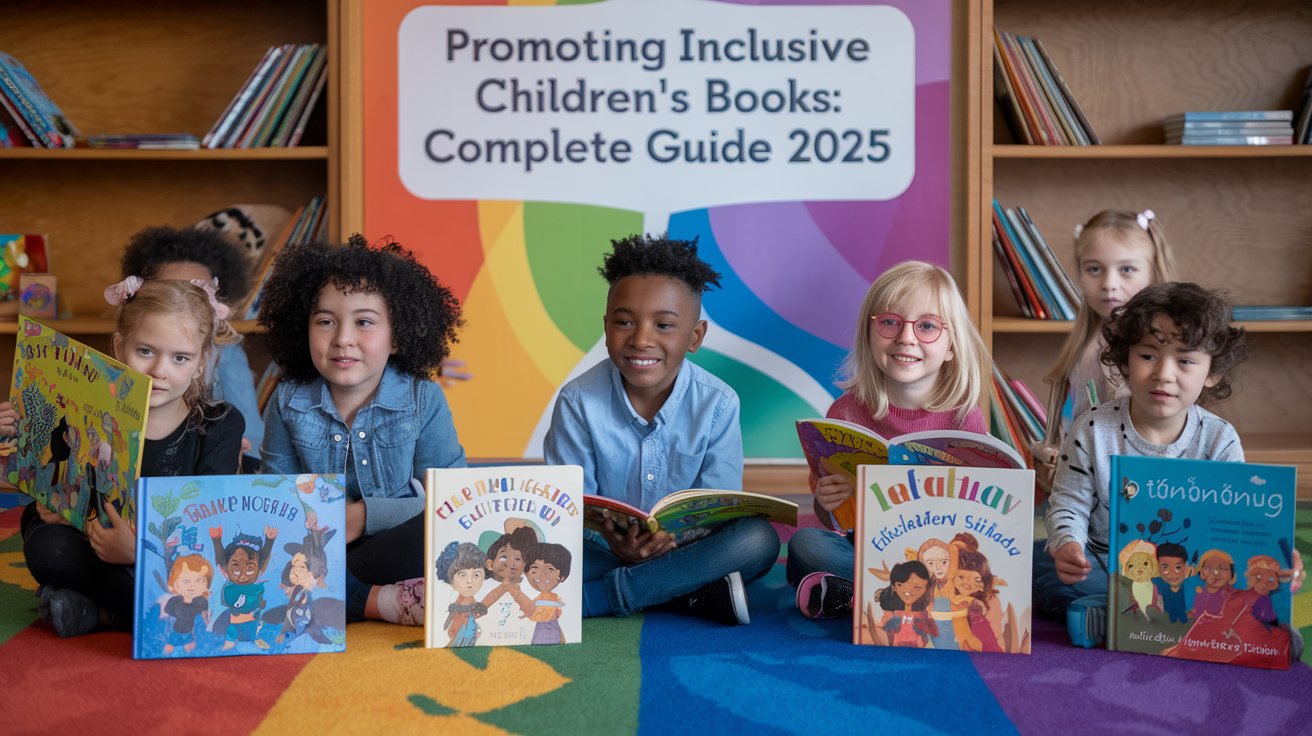
Promoting Inclusive Children’s Books: Complete Guide 2025
Promoting inclusive children’s books requires strategic planning to ensure diverse voices reach young readers. With over 3,600 children’s books published annually in the US, creating visibility for inclusive children’s literature demands targeted approaches that resonate with parents, educators, and communities seeking representation in storytelling.
Understanding Inclusive Children’s Literature
Inclusive children’s books feature characters from diverse backgrounds, abilities, family structures, and cultural experiences. Research from the Cooperative Children’s Book Center shows that books featuring diverse characters comprised only 29% of children’s publications in 2024, highlighting the ongoing need for active promotion. These books serve as mirrors for children to see themselves and windows to understand others’ experiences.
The impact of promoting inclusive children’s books extends beyond simple representation. Studies indicate that children exposed to diverse literature develop greater empathy, cultural awareness, and self-esteem. Publishers like Lee & Low Books report that inclusive titles generate 40% higher engagement rates among diverse communities when properly marketed.
Identifying Quality Inclusive Children’s Books
Selecting appropriate inclusive children’s books requires evaluating authenticity, accuracy, and age-appropriate content. Books should feature authentic voices from authors who share the identities they represent or have conducted extensive research with community input. The We Need Diverse Books organization provides comprehensive guidelines for identifying quality inclusive literature.
Quality indicators include nuanced character development, avoiding stereotypes, and presenting diverse experiences as normal rather than exotic. Award-winning titles like ‘New Kid’ by Jerry Craft and ‘The House on Mango Street’ demonstrate how inclusive storytelling can achieve both commercial success and critical acclaim while authentically representing marginalized communities.
Building Community Partnerships for Book Promotion
Successful promotion of inclusive children’s books relies heavily on community partnerships. Libraries, schools, and cultural organizations serve as essential distribution channels for reaching target audiences. The American Library Association’s Youth Media Awards highlight exemplary inclusive titles, providing promotional opportunities through their nationwide network.
Partnering with local community centers, religious organizations, and cultural groups amplifies promotional reach. These partnerships create authentic connections between books and communities, increasing the likelihood of sustained engagement. Successful programs often incorporate author visits, reading workshops, and cultural celebrations tied to featured inclusive children’s literature.
Engaging Educational Institutions
Schools represent critical venues for promoting inclusive children’s books through curriculum integration and library collections. Teachers increasingly seek diverse literature to support social-emotional learning standards mandated in 47 US states. Professional development workshops focusing on inclusive literature selection help educators confidently incorporate these materials into classroom instruction.
Collaborating with Cultural Organizations
Cultural organizations provide authentic platforms for promoting books that represent specific communities. Museums, heritage centers, and cultural festivals offer natural venues for showcasing inclusive children’s literature through themed exhibitions, storytelling events, and author presentations that celebrate cultural diversity while promoting literacy.
Digital Marketing Strategies for Inclusive Books
Social media platforms offer powerful tools for promoting inclusive children’s books to targeted audiences. Instagram and TikTok particularly excel at showcasing visual content that highlights book covers, character illustrations, and reading experiences. Successful campaigns often feature diverse families reading together, creating authentic connections with potential readers.
Content creators specializing in diverse literature have built substantial followings by consistently featuring inclusive children’s books in their content. Bookstagram accounts like @diversebooks and @raisinglittlereaders generate millions of impressions monthly, demonstrating the market appetite for inclusive literature recommendations.
Leveraging Social Media Platforms
Platform-specific strategies maximize promotional effectiveness for inclusive children’s books. Instagram Stories and Reels featuring quick book reviews, reading tips, and diverse family moments perform exceptionally well. TikTok’s algorithm favors authentic content that showcases genuine enthusiasm for books, making it ideal for grassroots promotion efforts.
Creating Compelling Visual Content
High-quality visual content significantly impacts the success of promoting inclusive children’s books online. Professional photography showcasing diverse children engaged with books, colorful flat lay arrangements, and video content featuring animated discussions about stories create shareable content that extends promotional reach organically across social networks.
Event Planning and Programming
Well-planned events create memorable experiences that drive long-term interest in inclusive children’s books. Successful events combine entertainment with education, featuring activities that celebrate the cultures and experiences represented in promoted books. Events averaging 50-100 attendees generate the highest per-person engagement rates according to Children’s Book Council data.
Programming should accommodate various learning styles and age groups while maintaining focus on inclusive storytelling. Interactive elements like craft activities, music, and games related to book themes create lasting connections between children and the featured literature, increasing likelihood of continued reading and book sharing.
Measuring Promotional Success
Tracking promotional effectiveness requires multiple metrics beyond simple sales figures. Engagement rates on social media, event attendance, library circulation numbers, and qualitative feedback from educators and families provide comprehensive insights into campaign success. Successful campaigns typically achieve 25% increases in targeted book circulation within six months.
Long-term impact measurement includes tracking reading habit changes, community engagement levels, and requests for similar inclusive children’s books. Libraries and bookstores reporting sustained interest in diverse literature following promotional campaigns demonstrate lasting promotional effectiveness that extends beyond immediate marketing efforts.
Overcoming Promotional Challenges
Common obstacles in promoting inclusive children’s books include limited budgets, resistance to diverse content, and competition with established titles. Successful promoters address these challenges through creative partnerships, community education, and strategic timing that aligns with cultural celebrations or awareness months relevant to featured books.
Building coalition support helps overcome resistance while sharing promotional costs across multiple organizations. Educational approaches that emphasize the developmental benefits of inclusive children’s literature often convert skeptical audiences into supporters who become advocates for continued diverse book promotion in their communities.
Future Trends in Inclusive Book Promotion
Emerging trends in promoting inclusive children’s books include increased use of virtual reality storytelling experiences, multilingual promotional materials, and AI-powered recommendation systems that match readers with culturally relevant content. Publishers are investing heavily in digital marketing tools that personalize promotional messages based on family demographics and reading preferences.
The growing emphasis on social-emotional learning in education creates expanding opportunities for inclusive children’s book promotion through curriculum partnerships. Industry projections suggest that demand for diverse children’s literature will increase by 35% annually through 2027, creating sustained promotional opportunities for organizations committed to inclusive literacy.
Related video about promoting inclusive children’s books
This video complements the article information with a practical visual demonstration.
Most asked questions about promoting inclusive children’s books
How do I identify authentically inclusive children’s books?
Look for books by own-voices authors or those who’ve conducted extensive community research. Check for nuanced characters that avoid stereotypes, authentic cultural details, and endorsements from relevant cultural organizations. Awards like the Coretta Scott King Medal and Pura Belpré Award highlight exemplary inclusive titles.
What’s the most effective way to promote inclusive books to reluctant audiences?
Focus on the educational and developmental benefits rather than diversity alone. Emphasize how these books improve empathy, critical thinking, and social skills. Start with universally appealing stories that happen to feature diverse characters, then gradually introduce books that more explicitly address social issues.
How can small organizations with limited budgets promote inclusive children’s books?
Partner with other organizations to share costs and amplify reach. Utilize free social media platforms, apply for library and educational grants, and collaborate with local authors for affordable programming. Focus on grassroots community engagement rather than expensive advertising campaigns.
What metrics should I track to measure promotional success?
Monitor multiple indicators including social media engagement rates, event attendance, library circulation increases, educator feedback, and community requests for similar titles. Track both immediate responses and long-term reading habit changes to assess lasting impact.
How often should I promote inclusive children’s books throughout the year?
Maintain consistent promotion year-round rather than limiting efforts to specific heritage months. However, align intensive campaigns with relevant cultural celebrations, back-to-school periods, and summer reading programs when audiences are most receptive to book recommendations.
| Promotional Strategy | Key Implementation Details | Expected Benefit |
|---|---|---|
| Community Partnerships | Collaborate with schools, libraries, cultural organizations | Authentic reach to target communities |
| Social Media Marketing | Platform-specific visual content and engagement | Viral potential and broad audience reach |
| Educational Integration | Curriculum alignment and teacher training | Sustained classroom usage and impact |
| Event Programming | Interactive cultural celebrations and author visits | Memorable experiences driving continued interest |