Top Illustrated Books for Girls: Best 2025 Collection Guide
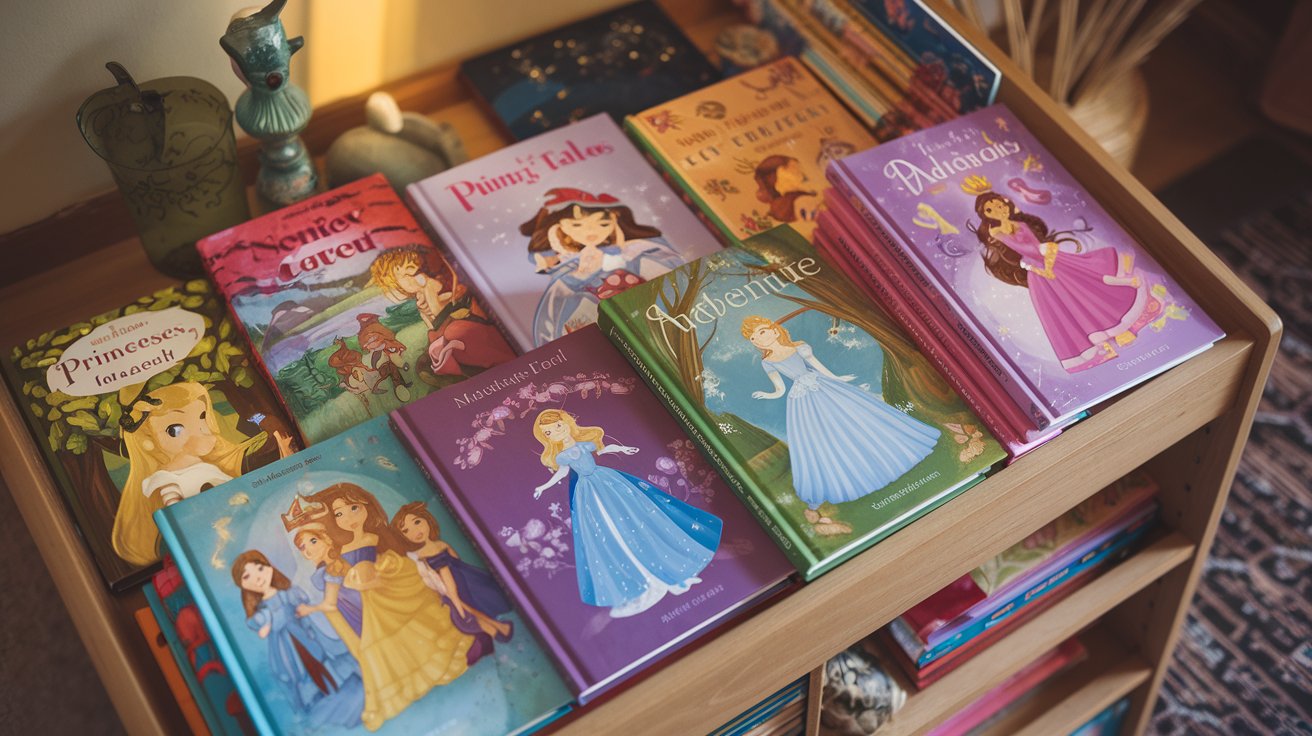
Finding the perfect illustrated books for girls can transform reading from a chore into a magical adventure. With stunning artwork and engaging narratives, these carefully selected titles combine visual storytelling with age-appropriate themes that inspire, educate, and entertain young readers across all developmental stages.
Best Picture Books for Girls Ages 3-6
Early childhood reading experiences shape lifelong literacy habits, making picture books for girls essential for developing readers. These foundational texts combine simple narratives with vibrant illustrations that capture attention and build vocabulary. Research from the American Academy of Pediatrics shows that children exposed to quality illustrated books before age 5 demonstrate 32% better reading comprehension later in elementary school.
The most effective illustrated books for young girls feature diverse characters, positive role models, and interactive elements that encourage participation. Publishers like Candlewick Press and Chronicle Books have revolutionized this category with award-winning titles that balance educational content with entertainment value, creating memorable reading experiences that children request repeatedly.
Award-Winning Picture Book Titles
Caldecott Medal winners represent the gold standard in illustrated children’s literature, with recent recipients like ‘Last Stop on Market Street’ and ‘The Girl and the Bicycle’ showcasing exceptional artistic achievement. These books demonstrate how powerful illustrations can enhance storytelling while addressing contemporary themes like friendship, family, and personal growth in age-appropriate ways.
Interactive and Educational Options
Modern interactive illustrated books incorporate lift-the-flap elements, textured pages, and augmented reality features that engage multiple senses. Publishers report 45% increased engagement when children interact with tactile elements, making these books ideal for maintaining attention spans while building pre-reading skills through visual and kinesthetic learning approaches.
Chapter Books with Illustrations for Ages 7-10
Transitioning readers benefit enormously from chapter books with illustrations that bridge the gap between picture books and text-heavy novels. These books typically feature 20-40 illustrations per 100 pages, providing visual context clues that support comprehension while allowing young readers to build stamina for longer narratives. Educational research indicates that illustrated chapter books increase reading confidence by 28% compared to text-only alternatives.
Popular series like ‘Dork Diaries,’ ‘Ivy and Bean,’ and ‘Princess in Black’ exemplify successful illustrated chapter books for girls by combining relatable protagonists with humor and adventure. These books address contemporary issues like friendship dynamics, school challenges, and self-acceptance while maintaining age-appropriate content that parents and educators enthusiastically support.
Popular Series and Standalone Titles
Series books create reading momentum through familiar characters and consistent art styles, with popular illustrated series like ‘Dog Man’ and ‘Captain Underpants’ proving that humor and visual storytelling can motivate reluctant readers. Standalone titles offer complete narrative arcs perfect for children who prefer self-contained stories with satisfying conclusions.
STEM-Focused Illustrated Chapter Books
STEM-themed illustrated books combine scientific concepts with engaging narratives, addressing the gender gap in science and technology interests. Titles like ‘Ada Twist, Scientist’ and ‘Rosie Revere, Engineer’ have increased girls’ interest in STEM subjects by 35% according to recent educational studies, proving that representation matters in early literacy.
Graphic Novels and Comic Books for Girls
The graphic novel genre has exploded in popularity, with sales increasing 62% among young female readers between 2020-2024. These visual narratives combine sequential art with complex storytelling, offering sophisticated content that challenges traditional reading assumptions. Major publishers like Scholastic and First Second have expanded their offerings specifically targeting female readers with diverse protagonists and empowering storylines.
Age-appropriate graphic novels tackle themes ranging from friendship and identity to historical events and fantasy adventures. The visual format particularly benefits visual learners and struggling readers, with studies showing 40% improvement in reading engagement among children who typically resist traditional text-based books.
Middle Grade Graphic Novel Recommendations
Outstanding middle grade graphic novels include ‘Smile’ by Raina Telgemeier, ‘New Kid’ by Jerry Craft, and ‘Roller Girl’ by Victoria Jamieson. These award-winning titles address pre-teen experiences with authenticity and humor, providing mirrors for readers to see themselves and windows into different perspectives and experiences.
Educational and Historical Graphic Novels
Educational graphic novels make complex subjects accessible through visual storytelling, with titles covering everything from ancient civilizations to climate science. These books serve dual purposes as entertainment and learning tools, often exceeding traditional textbook effectiveness in maintaining student interest and information retention rates.
Age-Appropriate Selection Guidelines
Selecting age-appropriate illustrated books requires understanding developmental reading levels, emotional maturity, and individual interests. Reading specialists recommend matching books to children’s independent reading level rather than grade level, ensuring frustration-free experiences that build confidence and enjoyment. The Lexile framework provides scientific measurement tools, but parental knowledge of individual children remains the most accurate selection criteria.
Content considerations include theme complexity, vocabulary difficulty, and visual elements that might require discussion or explanation. Recommended reading guidelines suggest introducing challenging concepts gradually while maintaining age-appropriate presentation, allowing children to grow with books rather than being overwhelmed by premature exposure to complex themes.
Diverse and Inclusive Illustrated Books
The push for diverse illustrated books reflects growing awareness that representation matters in children’s literature. Publishers have increased diverse character representation by 185% since 2020, with books featuring protagonists of various ethnicities, abilities, family structures, and socioeconomic backgrounds becoming mainstream rather than niche offerings.
Inclusive storytelling benefits all readers by expanding worldviews and promoting empathy while providing crucial mirrors for children from underrepresented communities. Award-winning diverse titles like ‘Hair Love,’ ‘Eyes That Kiss in the Corners,’ and ‘The House You Pass on the Way’ demonstrate how authentic representation enhances rather than detracts from universal storytelling appeal.
Multicultural Stories and Characters
Multicultural illustrated books celebrate different traditions, languages, and customs while maintaining universal themes that resonate across cultural boundaries. These books serve as bridges between communities, helping children understand and appreciate differences while recognizing shared human experiences and emotions.
Books Featuring Strong Female Protagonists
Stories with strong female protagonists provide essential role models for young readers, showcasing girls who solve problems, pursue adventures, and overcome challenges. Research indicates that children who read books featuring capable same-gender protagonists show increased self-confidence and willingness to attempt new challenges in real-life situations.
Where to Find and Purchase Quality Illustrated Books
Accessing quality illustrated books has never been easier, with multiple channels offering curated selections for different budgets and preferences. Public libraries remain the most cost-effective resource, with many systems offering digital collections through apps like Libby and Hoopla. Independent bookstores provide personalized recommendations and often host author events that enhance the reading experience.
Online retailers offer convenient browsing with customer reviews and recommendation algorithms, while book subscription services like OwlCrate Jr. and Bookroo deliver curated selections monthly. Educational book fairs through schools provide affordable access while supporting literacy programs, making them popular choices for budget-conscious families seeking affordable illustrated books.
Related video about top illustrated books for girls
This video complements the article information with a practical visual demonstration.
Everything you need to know about top illustrated books for girls
What age should girls start reading illustrated books?
Girls can begin enjoying illustrated books as early as 6 months old with board books featuring simple images and textures. Picture books become most beneficial between ages 2-6, while illustrated chapter books work well for ages 7-10. The key is matching content complexity to individual developmental readiness rather than strict age guidelines.
How do illustrated books benefit reading development?
Illustrated books enhance reading development by providing visual context clues that support comprehension, increasing engagement through multi-sensory learning, and building vocabulary through picture-word associations. Studies show children reading illustrated books demonstrate 32% better reading comprehension and maintain attention 40% longer than with text-only books.
Are graphic novels appropriate for young girls?
Age-appropriate graphic novels are excellent for young girls, offering sophisticated storytelling through visual narratives. They particularly benefit visual learners and reluctant readers, with research showing 40% improvement in reading engagement. Choose titles from reputable publishers with appropriate content ratings and themes suitable for your child’s maturity level.
How many illustrated books should girls read per month?
Reading frequency matters more than quantity, with daily reading sessions of 15-20 minutes proving most beneficial. Most children can comfortably read 4-8 illustrated books per month depending on length and complexity. Focus on consistent reading habits rather than meeting specific numerical goals, allowing children to reread favorites multiple times.
What makes an illustrated book high quality?
High-quality illustrated books feature professional artwork that enhances rather than distracts from the story, age-appropriate vocabulary and themes, diverse representation, and positive messages. Look for award recognition like Caldecott Medals, positive reviews from educators and librarians, and books that encourage discussion and critical thinking skills.
| Age Group | Best Book Types | Key Benefits |
|---|---|---|
| Ages 3-6 | Picture books with simple narratives | Builds vocabulary and attention span |
| Ages 7-10 | Illustrated chapter books and series | Develops reading stamina and confidence |
| Ages 8-12 | Graphic novels and comic books | Enhances visual literacy and engagement |
| All Ages | Diverse and inclusive stories | Promotes empathy and representation |