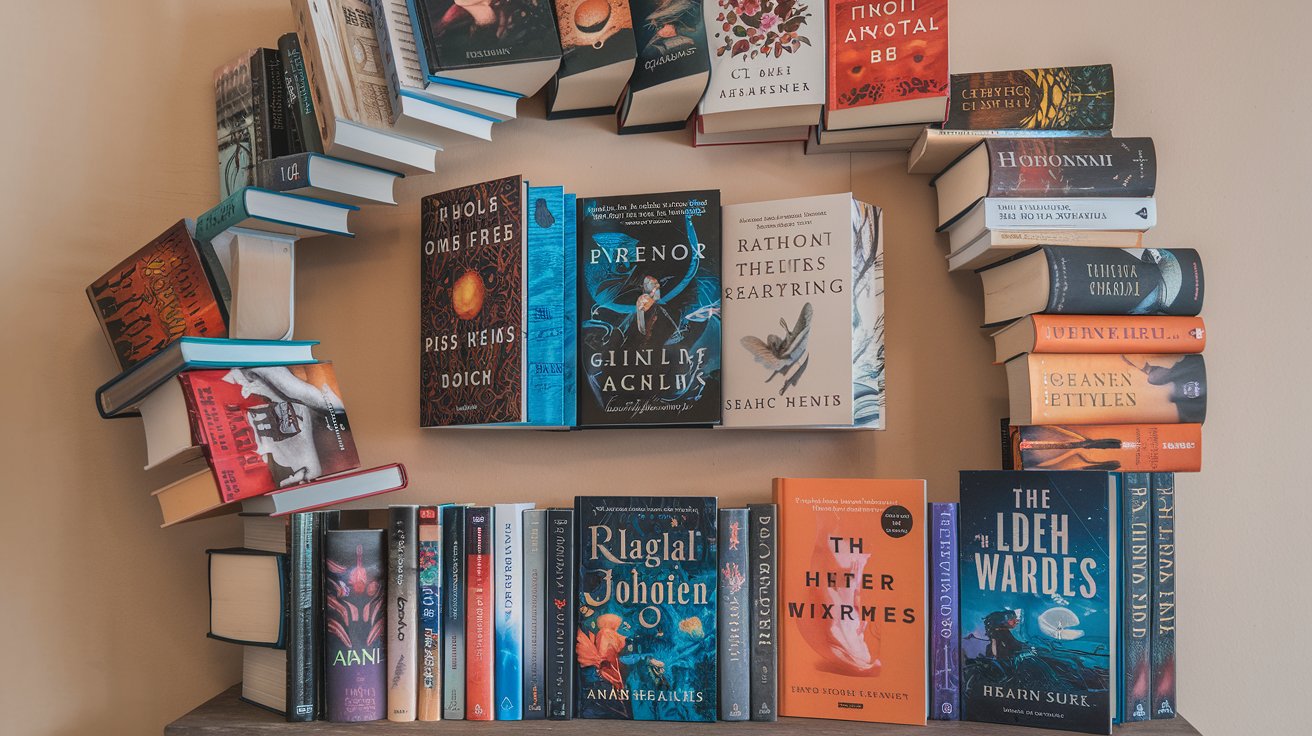
Best Magical Realism Books: 25 Must-Read Novels in 2024
Magical realism books transport readers into worlds where the extraordinary seamlessly merges with the ordinary, creating narratives that challenge our perception of reality. These magical realism books combine fantastical elements with realistic settings, offering profound insights into human nature, culture, and society through enchanting storytelling that has captivated American readers for decades.
What Makes Magical Realism Books Unique
The defining characteristic of magical realism books is their ability to present supernatural elements as natural parts of everyday life. Unlike fantasy novels that create entirely imagined worlds, magical realism anchors extraordinary events in realistic settings, making the impossible seem plausible. This literary technique originated in Latin America and has profoundly influenced contemporary American literature.
Authors of magical realism books often explore themes of cultural identity, historical trauma, and social justice through metaphorical supernatural events. These novels typically feature unreliable narrators, non-linear timelines, and symbolic imagery that invites multiple interpretations. The genre has gained significant popularity among American readers, with book club selections and university courses frequently featuring these transformative works.
Classic Magical Realism Authors and Their Masterworks
Gabriel García Márquez remains the most celebrated author of magical realism books, with his novel ‘One Hundred Years of Solitude’ selling over 50 million copies worldwide since its publication. His work established the foundation for the genre, inspiring countless American and international authors. Márquez’s ability to weave political commentary with fantastical elements created a template that continues to influence writers today.
Isabel Allende has become equally influential in the magical realism books canon, particularly among American readers. Her novel ‘The House of the Spirits’ has been translated into dozens of languages and remains a bestseller in the United States. Allende’s work often focuses on women’s experiences and Latin American history, making her books particularly relevant to diverse American audiences seeking authentic cultural narratives.
Jorge Luis Borges and Literary Innovation
Jorge Luis Borges pioneered many techniques found in contemporary magical realism books through his short stories and essays. His influence on American literature extends beyond magical realism into postmodern fiction, with authors like Donald Barthelme and John Barth acknowledging his impact. Borges’ exploration of labyrinths, mirrors, and infinite libraries continues to inspire American writers creating magical realism books that challenge readers’ perceptions of reality and knowledge.
Salman Rushdie’s Global Impact
Salman Rushdie’s magical realism books, including ‘Midnight’s Children’ and ‘The Satanic Verses’, have significantly influenced American literary culture. His work demonstrates how magical realism can address complex political and religious themes while maintaining artistic integrity. Rushdie’s novels have been featured in major American literary programs and continue to spark important discussions about freedom of expression, cultural identity, and the power of storytelling in democratic societies.
Contemporary American Magical Realism Authors
The United States has produced remarkable magical realism books that reflect the country’s diverse cultural landscape. Authors like Toni Morrison, with her Pulitzer Prize-winning novel ‘Beloved’, have demonstrated how magical realism can address historical trauma and racial injustice. Morrison’s work has become essential reading in American schools and universities, with over 8 million copies of ‘Beloved’ sold since its publication.
Contemporary authors such as Erin Morgenstern, author of ‘The Night Circus’, have adapted magical realism books for modern American audiences. Morgenstern’s novels combine Victorian-era aesthetics with contemporary sensibilities, creating atmospheric narratives that have topped The New York Times bestseller lists. Her success demonstrates the continued commercial viability of magical realism in the American book market, with ‘The Night Circus’ selling over 3 million copies worldwide.
Alice Hoffman’s Enchanting Narratives
Alice Hoffman has established herself as a master of American magical realism books with novels like ‘Practical Magic’ and ‘The Rules of Magic’. Her work often centers on women’s experiences and family legacies, incorporating supernatural elements that feel organic to small-town American life. Hoffman’s novels have been adapted into successful films and television series, bringing magical realism books to mainstream American entertainment and inspiring new generations of readers.
Junot Díaz and Cultural Identity
Junot Díaz’s Pulitzer Prize-winning novel ‘The Brief Wondrous Life of Oscar Wao’ exemplifies how magical realism books can explore immigrant experiences in America. Díaz incorporates elements of Dominican folklore and comic book culture to create a uniquely American narrative that resonates with multicultural readers. His work has become a staple in American literature courses, selling over 1.5 million copies and earning critical acclaim for its innovative approach to storytelling.
International Magical Realism Books Popular in America
American readers have embraced magical realism books from international authors, creating a diverse literary marketplace. Authors like Haruki Murakami from Japan have achieved remarkable success in the United States, with novels like ‘1Q84’ and ‘The Wind-Up Bird Chronicle’ becoming bestsellers. Murakami’s unique blend of surrealism and contemporary life appeals to American readers seeking innovative narratives that challenge conventional storytelling.
African authors have contributed significantly to the magical realism books available to American audiences. Writers like Ben Okri, whose novel ‘The Famished Road’ won the Booker Prize, have introduced American readers to African spiritual traditions through magical realist narratives. These international perspectives have enriched American literary culture and expanded readers’ understanding of global storytelling traditions.
How to Choose the Best Magical Realism Books
Selecting the right magical realism books depends on your reading preferences and interests. Consider starting with award-winning novels like García Márquez’s ‘One Hundred Years of Solitude’ or Morrison’s ‘Beloved’ to understand the genre’s foundations. These established classics provide excellent entry points for readers new to magical realism while offering rich, layered narratives that reward multiple readings.
For readers seeking contemporary magical realism books, consider authors who blend traditional techniques with modern themes. Look for novels that address current social issues through magical elements, as these often provide the most relevant and engaging reading experiences. Book reviews, literary awards, and recommendations from trusted sources can help identify high-quality magical realism books that align with your interests and reading level.
Understanding Your Reading Preferences
Before selecting magical realism books, consider whether you prefer character-driven narratives or plot-focused stories. Some magical realist novels emphasize internal character development and psychological exploration, while others focus on external events and social commentary. Understanding your preferences will help you choose magical realism books that provide satisfying reading experiences and encourage further exploration of the genre.
Exploring Different Cultural Perspectives
The beauty of magical realism books lies in their diverse cultural perspectives and storytelling traditions. Consider reading works from different regions and backgrounds to gain a comprehensive understanding of how magical realism manifests across cultures. This approach will enrich your reading experience and provide insights into various worldviews and literary traditions represented in the genre.
The Impact of Magical Realism on Modern Literature
Magical realism books have fundamentally transformed contemporary literature by demonstrating that serious literary fiction can incorporate fantastical elements without sacrificing artistic integrity. This influence extends beyond the genre itself, with mainstream literary fiction increasingly adopting magical realist techniques to explore complex themes and create memorable narratives that resonate with modern readers.
The commercial success of magical realism books has encouraged publishers to seek diverse voices and innovative storytelling approaches. This trend has opened doors for previously marginalized authors and created opportunities for experimental literature to reach mainstream audiences. The genre’s influence can be seen in bestseller lists, book club selections, and literary award winners throughout the American publishing industry.
Reading Groups and Magical Realism Book Clubs
Book clubs across America have embraced magical realism books for their rich discussion potential and diverse interpretations. These novels provide excellent conversation starters about culture, history, and human nature, making them ideal selections for reading groups. Many libraries and community centers now offer specialized book clubs focused exclusively on magical realism, reflecting the genre’s growing popularity among American readers.
Online communities dedicated to magical realism books have flourished, with platforms like Goodreads hosting thousands of discussions about recommended titles, author interviews, and reading challenges. These digital spaces allow readers to connect with others who share their passion for the genre, exchange recommendations, and discover new authors from around the world.
Future Trends in Magical Realism Publishing
The future of magical realism books in America looks promising, with publishers increasingly seeking diverse voices and innovative approaches to the genre. Emerging authors are incorporating contemporary technology, climate change, and social media into their magical realist narratives, creating relevant stories that speak to modern American experiences. This evolution ensures the genre remains fresh and continues to attract new generations of readers.
Digital publishing platforms have democratized access to magical realism books, allowing independent authors to reach audiences without traditional publishing gatekeepers. This trend has resulted in a more diverse selection of magical realist literature, with voices from underrepresented communities gaining recognition and readership. The genre’s adaptability to new publishing models suggests continued growth and innovation in the coming years.
Related video about magical realism books
This video complements the article information with a practical visual demonstration.
FAQ – Common Questions
What are the best magical realism books for beginners?
For beginners, start with ‘Like Water for Chocolate’ by Laura Esquivel or ‘The House of the Spirits’ by Isabel Allende. These accessible novels introduce magical realism concepts without overwhelming complexity. ‘Practical Magic’ by Alice Hoffman offers an American perspective that many readers find relatable and engaging.
How do magical realism books differ from fantasy novels?
Magical realism books present supernatural elements as normal parts of everyday reality, while fantasy creates entirely imagined worlds with their own rules. Magical realism anchors extraordinary events in realistic settings, focusing on psychological and social themes rather than adventure or world-building typical of fantasy literature.
Which magical realism books have won major literary awards?
Several magical realism books have won prestigious awards: ‘One Hundred Years of Solitude’ by García Márquez won the Nobel Prize, ‘Beloved’ by Toni Morrison won the Pulitzer Prize, and ‘The Brief Wondrous Life of Oscar Wao’ by Junot Díaz also won the Pulitzer. These awards demonstrate the genre’s literary significance and critical recognition.
Are magical realism books suitable for book clubs?
Yes, magical realism books are excellent for book clubs due to their layered meanings and discussion potential. These novels explore complex themes through symbolic imagery, generating rich conversations about culture, identity, and human experience. Many book clubs specifically choose magical realism for its interpretive depth and cultural perspectives.
What themes do magical realism books typically explore?
Magical realism books commonly explore themes of cultural identity, historical trauma, family legacies, and social justice. They often address colonialism, immigration, women’s experiences, and political oppression through metaphorical supernatural events. These themes resonate particularly well with diverse American readers seeking authentic cultural narratives.
How has magical realism influenced American literature?
Magical realism has significantly impacted American literature by encouraging diverse storytelling approaches and validating non-Western narrative traditions. Authors like Toni Morrison and Junot Díaz have used magical realism to address American historical and contemporary issues, while the genre has opened publishing opportunities for marginalized voices and experimental literature.
| Reading Aspect | Key Features | Reader Benefits |
|---|---|---|
| Classic Authors | García Márquez, Allende, Borges foundation | Understanding genre origins and techniques |
| American Voices | Morrison, Hoffman, Díaz perspectives | Cultural relevance and domestic themes |
| Global Perspectives | International authors and traditions | Diverse worldviews and storytelling styles |
| Discussion Value | Layered meanings and symbolism | Rich book club conversations |