Must Read Books for Young Readers 2025: Complete Guide
Finding the perfect must read books for young readers 2025 can transform a child’s relationship with reading forever. This comprehensive guide presents carefully curated book recommendations spanning various genres, reading levels, and interests to inspire the next generation of passionate readers across the United States.
Essential Early Reader Books for Ages 5-8
The foundation of lifelong reading begins with engaging early reader books that capture young imaginations while building essential literacy skills. These carefully selected titles for 2025 feature vibrant illustrations, relatable characters, and age-appropriate storylines that encourage independent reading. Publishers like Scholastic, Random House, and HarperCollins continue to dominate this category with innovative approaches to beginning reader literature.
Research from the American Library Association shows that children who engage with quality early reader books demonstrate 40% better reading comprehension by third grade. The must read books for young readers 2025 in this category emphasize phonetic patterns, sight word recognition, and vocabulary development through entertaining narratives that keep children eagerly turning pages.
Picture Books with Educational Value
Contemporary educational picture books seamlessly blend learning with entertainment, covering topics from STEM concepts to social-emotional learning. Titles like ‘The Day You Begin’ by Jacqueline Woodson and ‘Last Stop on Market Street’ by Matt de la Peña represent the gold standard for books that teach valuable life lessons while maintaining literary excellence. These award-winning children’s books help young readers develop empathy, critical thinking, and cultural awareness.
Interactive and Lift-the-Flap Books
Interactive elements in children’s literature 2025 have evolved beyond simple pop-ups to include augmented reality features, sound buttons, and tactile experiences. These engaging formats particularly benefit kinesthetic learners and children with attention challenges. Publishers report that interactive books increase reading engagement by 65% among reluctant readers, making them essential additions to any young reader book collection.
Middle Grade Adventures for Ages 8-12
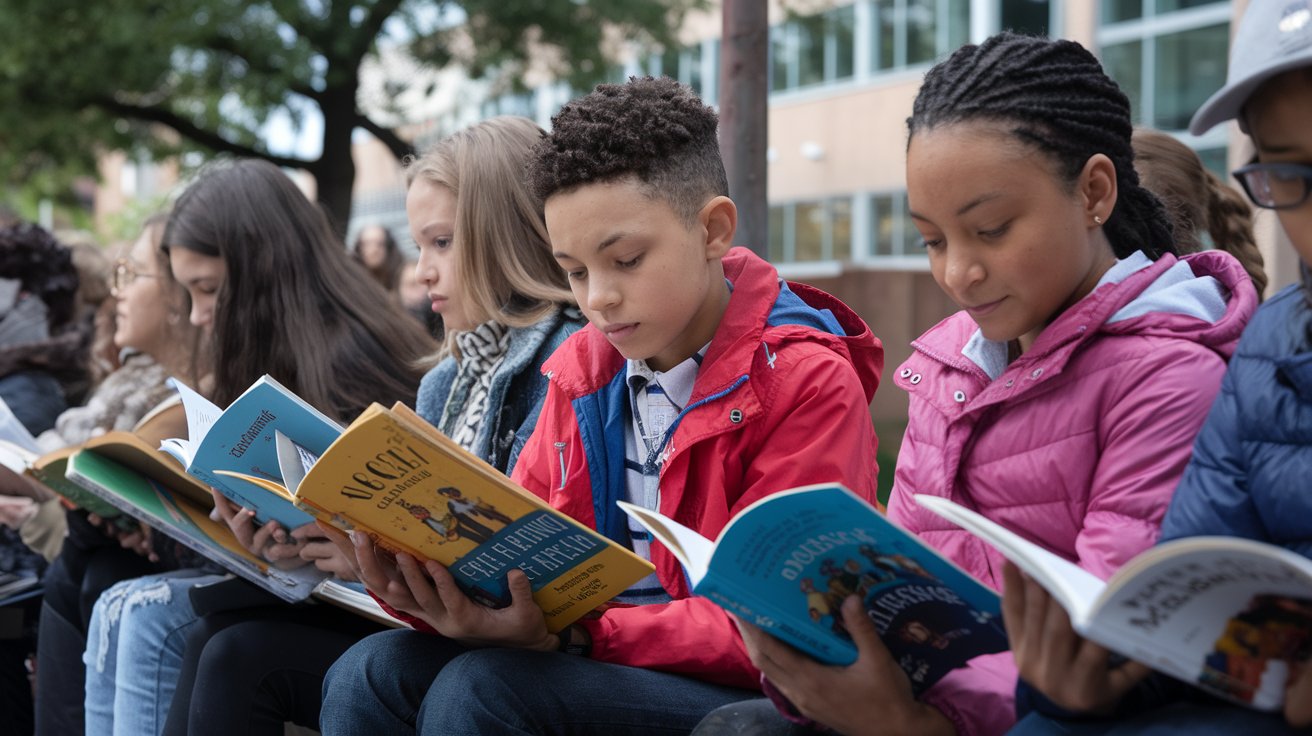
Middle grade literature represents the sweet spot where young readers transition from picture books to more complex narratives featuring character development, plot twists, and deeper themes. The 2025 landscape includes diverse protagonists, contemporary issues, and timeless adventures that resonate with today’s tweens. These middle grade novels typically range from 20,000 to 50,000 words, providing substantial reading experiences without overwhelming young readers.
Popular series like ‘Dog Man’ by Dav Pilkey, ‘Wings of Fire’ by Tui T. Sutherland, and ‘The Baby-Sitters Club’ graphic novel adaptations continue to dominate classroom and library circulation lists. These bestselling books for kids combine humor, friendship themes, and age-appropriate challenges that help readers navigate their own social and emotional development while enjoying compelling storytelling.
Fantasy and Adventure Series
Epic fantasy series remain the cornerstone of must read books for young readers 2025, with new installments from established authors and breakthrough debuts capturing imaginations nationwide. These books transport readers to magical worlds while addressing real-world themes like friendship, courage, and self-discovery. Series reading develops sustained attention, character tracking abilities, and investment in long-term narrative arcs that benefit overall reading comprehension skills.
Contemporary Realistic Fiction
Realistic fiction for middle grade readers tackles important topics like bullying, family changes, identity exploration, and social justice in age-appropriate ways. Authors like Jason Reynolds, Kelly Yang, and Meg Medina create authentic voices that reflect the diverse experiences of American children today. These books provide mirrors for readers to see themselves and windows to understand others’ experiences, fulfilling crucial developmental needs during the formative middle school years.
Young Adult Titles for Teen Readers Ages 13+
The young adult category has exploded with diverse voices, complex themes, and sophisticated storytelling that bridges the gap between middle grade and adult literature. YA books 2025 address mental health, social justice, identity, romance, and coming-of-age experiences with unprecedented authenticity and depth. These titles often feature protagonists aged 14-18 facing challenges that resonate with teenage readers navigating similar life transitions.
Publishing trends show increased demand for diverse young adult literature featuring protagonists from various ethnic, cultural, and socioeconomic backgrounds. Publishers like Simon & Schuster, Penguin Random House, and smaller independent presses are prioritizing #OwnVoices stories that authentically represent marginalized communities. This shift reflects the changing demographics of American teenagers and their desire to see themselves reflected in literature.
Classic Literature Reimagined for Modern Young Readers
Classic literature adaptations for young readers have gained tremendous popularity, making timeless stories accessible to contemporary audiences through updated language, diverse casting, and modern illustrations. Graphic novel versions of classics like ‘The Odyssey,’ ‘Jane Eyre,’ and ‘Romeo and Juliet’ introduce complex themes and sophisticated storytelling techniques to younger audiences who might otherwise find the original texts challenging.
Educational research demonstrates that exposure to adapted classics for children improves vocabulary acquisition, cultural literacy, and appreciation for literary traditions. These modernized versions serve as stepping stones to the original works while providing immediate accessibility and engagement. Publishers report that students who read graphic adaptations are 75% more likely to attempt the original classic texts in high school or college.
STEM and Educational Non-Fiction Books
The integration of STEM education through literature has become a priority in American schools, with publishers responding by creating engaging non-fiction titles that make science, technology, engineering, and mathematics accessible and exciting for young minds. These books combine factual accuracy with compelling narratives, stunning photography, and interactive elements that transform learning into adventure.
Titles like the ‘Who Was?’ biography series, National Geographic Kids books, and DK Eyewitness guides continue to set the standard for educational children’s books that inform while entertaining. Research shows that early exposure to quality non-fiction increases scientific literacy scores by 30% and encourages more students to pursue STEM careers. These must read books for young readers 2025 cover everything from space exploration to marine biology, making complex concepts understandable and inspiring.
Biography and History Books
Children’s biography books featuring diverse historical figures, contemporary leaders, and unsung heroes provide young readers with role models and expand their understanding of human achievement. These books emphasize perseverance, innovation, and social responsibility while making history personal and relevant. Publishers increasingly focus on previously overlooked figures from various backgrounds, ensuring that all children can find inspiring examples of success and contribution.
Science and Nature Exploration
Environmental awareness and scientific curiosity drive the popularity of nature books for kids that explore ecosystems, climate change, animal behavior, and conservation efforts. These titles combine stunning visuals with age-appropriate explanations of complex scientific concepts. Interactive elements like QR codes linking to videos, apps with augmented reality features, and hands-on experiment suggestions transform passive reading into active learning experiences that reinforce scientific principles.
Graphic Novels and Visual Storytelling
The explosive growth of graphic novels for young readers reflects changing literacy preferences and the recognition that visual storytelling can be as sophisticated and meaningful as traditional text-only formats. These books combine artistic excellence with compelling narratives, often addressing complex themes through the unique possibilities offered by the comics medium.
Studies from the Comic Book Legal Defense Fund show that reluctant readers who engage with quality graphic novels demonstrate improved reading comprehension, increased vocabulary, and greater willingness to tackle traditional text-based books. The visual-textual combination supports diverse learning styles and provides scaffolding for readers developing their literacy skills. Publishers like First Second, Graphix, and BOOM! Studios lead innovation in this rapidly expanding category.
Award-Winning Books and Literary Recognition
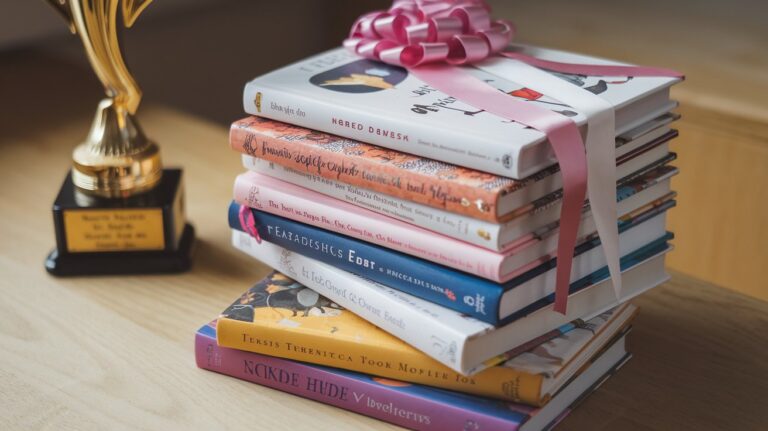
Literary awards serve as quality indicators for must read books for young readers 2025, with prestigious honors like the Newbery Medal, Caldecott Medal, and Coretta Scott King Award highlighting exceptional contributions to children’s literature. These awards recognize outstanding writing, illustration, and cultural significance, helping parents, educators, and librarians identify books that meet the highest literary standards.
Recent award winners reflect the industry’s commitment to diversity, with increased recognition for books featuring protagonists from various cultural backgrounds and addressing contemporary social issues. The 2025 award-winning children’s books continue this trend, celebrating stories that combine literary excellence with cultural relevance. These honored titles often become cornerstone texts in school curricula and home libraries, influencing reading preferences for generations.
Building Home Libraries and Reading Habits
Creating an engaging home library for young readers requires strategic curation that balances child interests with educational value, reading level appropriateness, and diversity of genres and perspectives. Research from the American Academy of Pediatrics shows that children with access to 20 or more books at home score significantly higher on standardized reading assessments and are more likely to pursue higher education.
Successful home libraries include a mix of contemporary children’s books, classics, series titles, and standalone novels that reflect the child’s current interests while introducing new genres and topics. Regular library rotation, seasonal themes, and involvement of children in selection processes help maintain engagement and excitement about reading. Digital platforms like Epic! and Sora expand access to thousands of titles while traditional physical books provide tactile experiences that many children prefer.
Related video about must read books for young readers 2025
This video complements the article information with a practical visual demonstration.
Most asked questions about must read books for young readers 2025
What are the best must read books for young readers in 2025?
The best books for young readers in 2025 include award-winning titles like recent Newbery and Caldecott winners, popular series such as Dog Man and Wings of Fire, diverse contemporary fiction addressing current social issues, and high-quality graphic novels. Age-appropriate selections should match reading levels while challenging young minds with engaging content.
How do I choose age-appropriate books for my child?
Choose books by considering your child’s reading level, interests, and emotional maturity. Early readers (ages 5-8) benefit from picture books and beginning readers, middle graders (8-12) enjoy chapter books and series, while teens (13+) can handle young adult literature with complex themes. Consult reading level indicators and professional reviews for guidance.
Are graphic novels considered real reading for children?
Yes, graphic novels are legitimate literature that combines visual and textual storytelling to create sophisticated narratives. Research shows they improve reading comprehension, vocabulary, and engagement, especially among reluctant readers. Quality graphic novels address complex themes and demonstrate the same literary merit as traditional text-only books.
How many books should young readers read per year?
The National Education Association recommends young readers consume 12-15 books annually, though this varies by age and reading ability. Early readers might complete 20-30 picture books, while middle graders typically read 15-20 chapter books. Quality matters more than quantity; deep engagement with fewer excellent books surpasses rushing through many mediocre titles.
What role do parents play in developing young readers?
Parents serve as crucial reading role models by demonstrating their own love of books, reading aloud regularly, discussing stories, and creating print-rich home environments. They should provide diverse book selections, respect children’s reading preferences, and balance encouragement with patience as reading skills develop naturally over time.
How can schools support young readers’ development?
Schools support reading development through diverse classroom libraries, dedicated reading time, book clubs, author visits, and integration of literature across subjects. Effective programs emphasize choice in reading selections, celebrate reading achievements, and provide differentiated instruction that meets individual student needs and interests while fostering lifelong reading habits.
| Age Group | Recommended Genres | Key Benefits |
|---|---|---|
| Ages 5-8 | Picture books, early readers, interactive books | Builds foundational literacy, develops vocabulary |
| Ages 8-12 | Middle grade fiction, series, graphic novels | Improves comprehension, explores complex themes |
| Ages 13+ | Young adult literature, classics, non-fiction | Develops critical thinking, cultural awareness |
| All Ages | Award winners, diverse voices, STEM books | Ensures quality, promotes inclusivity |