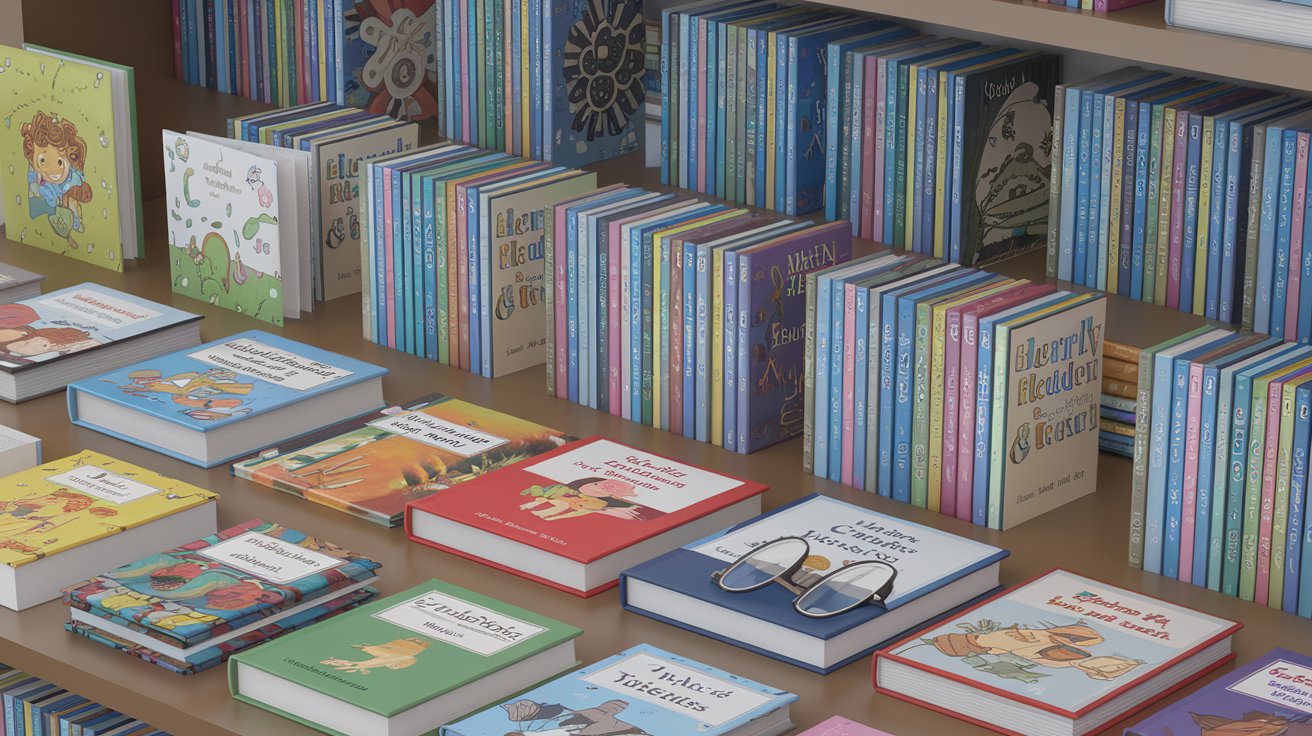
Best Early Readers Books 2025: Top Picks for New Readers
Finding the best early readers books is crucial for developing young children’s love of reading and building foundational literacy skills. These carefully designed books bridge the gap between picture books and chapter books, offering age-appropriate content that challenges without overwhelming new readers. From beloved classics to innovative 2025 releases, this comprehensive guide showcases the most effective early reader titles that engage, educate, and inspire confidence in beginning readers across the United States.
What Makes the Best Early Readers Books Effective
The best early readers books share specific characteristics that support developing readers aged 4-8 years old. These books typically feature large, clear fonts with generous spacing between words and lines, making text less intimidating for young eyes. Successful early readers incorporate repetitive sentence patterns and high-frequency sight words that children encounter frequently in their daily reading experiences.
Effective early reader books also maintain a careful balance between text and illustrations, using pictures to support comprehension without creating dependency. The most successful titles feature engaging characters and relatable storylines that motivate children to continue reading independently, building both skills and confidence simultaneously.
Top Early Reader Book Series for 2025
Early reader book series provide consistency and familiarity that beginning readers crave while developing their skills. The most popular series in 2025 continue to be those that combine educational value with entertainment, creating positive reading experiences that encourage children to seek out more books independently.
Frog and Toad Series by Arnold Lobel
Arnold Lobel’s Frog and Toad series remains one of the most beloved early reader collections, winning the Caldecott Medal and continuing to captivate new generations of readers. These timeless stories feature simple vocabulary, engaging friendship themes, and gentle humor that resonates with children aged 5-7. The four main books in the series have sold over 10 million copies worldwide, making them a proven choice for developing readers.
Elephant and Piggie Series by Mo Willems
Mo Willems’ Elephant and Piggie series has revolutionized early reader books with its distinctive comic-book style illustrations and emotionally intelligent storytelling. These 25 books feature limited vocabulary while addressing complex themes like friendship, disappointment, and problem-solving. The series has won three Theodor Seuss Geisel Medals and remains a top choice among librarians and educators across the United States in 2025.
Best Early Readers by Reading Level
Understanding reading levels helps parents and educators select the most appropriate early reader books for individual children. Publishers typically use guided reading levels, Lexile measures, or grade-level equivalents to categorize books, ensuring proper developmental alignment for maximum learning success.
Beginner Level Books (Ages 4-6)
Beginner level early readers feature the simplest vocabulary and shortest sentences, perfect for children just beginning to decode words independently. Popular 2025 titles include ‘Green Eggs and Ham’ by Dr. Seuss, which uses only 50 different words, and ‘Go, Dog. Go!’ by P.D. Eastman, featuring repetitive patterns that build reading confidence. These books typically contain 200-400 words total and focus on phonetic patterns and sight word recognition.
Intermediate Level Books (Ages 6-8)
Intermediate early readers introduce more complex sentence structures and expanded vocabulary while maintaining supportive illustrations and engaging storylines. Titles like ‘Henry and Mudge’ series by Cynthia Rylant and ‘Mercy Watson’ series by Kate DiCamillo offer slightly longer narratives with 1,000-2,000 words per book. These selections help bridge the gap between simple early readers and beginning chapter books effectively.
Award-Winning Early Readers of 2024-2025
Recent award winners represent the highest quality in early reader literature, combining educational value with exceptional storytelling and illustration. The Theodor Seuss Geisel Award, presented annually by the American Library Association, recognizes the most distinguished contribution to beginning reader literature in the United States.
The 2024 Geisel Award winner, ‘Waiting Is Not Easy!’ by Mo Willems, exemplifies excellence in early reader design with its strategic use of white space, expressive characters, and emotional depth. Other notable 2024-2025 award-winning early readers include works that address diverse themes while maintaining accessibility for developing readers.
Diverse and Inclusive Early Reader Books
The best early readers books in 2025 increasingly reflect the diverse experiences of American children, featuring characters from various cultural backgrounds, family structures, and life experiences. Publishers have responded to educator and parent demands for more inclusive literature by expanding their catalogs to include stories that help all children see themselves reflected in books.
Notable diverse early reader titles include ‘Isadora Moon’ series featuring biracial characters, ‘Juana & Lucas’ by Juana Medina showcasing Latinx experiences, and ‘The Princess in Black’ series featuring a princess of color. These books provide representation while maintaining the structural elements that make early readers effective learning tools.
Early Readers for Different Interests
Matching early reader books to children’s interests significantly increases engagement and reading motivation. Publishers have expanded their offerings to cover diverse topics that appeal to different personalities and preferences among beginning readers.
STEM-Focused Early Readers
STEM early reader books combine science, technology, engineering, and math concepts with age-appropriate storytelling to encourage interest in these critical subjects. Popular 2025 titles include ‘Ada Twist, Scientist’ early reader adaptations and ‘National Geographic Readers’ series, which feature real photographs and factual content presented at beginning reader levels. These books help develop both reading skills and scientific curiosity simultaneously.
Fantasy and Adventure Early Readers
Young readers who enjoy imaginative stories gravitate toward fantasy early reader books that feature magic, adventure, and fantastical characters. Series like ‘Dragon Post’ by Jessica Day George and ‘Princess Pink and the Land of Fake-Believe’ by Noah Z. Jones offer age-appropriate fantasy elements while maintaining simple vocabulary and sentence structures that support developing readers.
Digital vs Physical Early Reader Books
The debate between digital and physical early reader books continues to evolve in 2025, with research showing benefits to both formats for developing readers. Physical books provide tactile experiences and eliminate screen-time concerns, while digital versions often include interactive features that can enhance comprehension and engagement for some children.
Studies from the American Academy of Pediatrics suggest that physical books may be preferable for very young readers, as they promote better focus and parent-child interaction during reading time. However, digital early readers with read-aloud features can support children who struggle with decoding, making both formats valuable tools in a comprehensive literacy approach.
How to Choose Early Reader Books for Your Child
Selecting the most appropriate early reader books requires understanding your child’s current reading level, interests, and learning preferences. The five-finger rule remains a reliable method for determining if a book is at the right difficulty level: children should be able to read a page with no more than five unknown words.
Consider your child’s attention span when choosing early readers – some children thrive with longer stories while others need shorter books to maintain engagement. Additionally, observe which illustrations styles and story themes capture your child’s interest most effectively, as enjoyment significantly impacts reading motivation and skill development.
Related video about best early readers books
This video complements the article information with a practical visual demonstration.
Most asked questions about best early readers books
What age are early reader books best for?
Early reader books are typically designed for children aged 4-8 years old, though individual reading levels vary significantly. These books work best for children who have basic phonetic awareness and can recognize some sight words but aren’t ready for chapter books. The key is matching the book to your child’s current reading ability rather than strictly following age recommendations.
How do early reader books differ from picture books?
Early reader books contain more text per page and use simpler sentence structures designed for independent reading, while picture books often have complex narratives meant for adult read-alouds. Early readers feature larger fonts, controlled vocabulary, and illustrations that support but don’t dominate the text. Picture books prioritize storytelling through images with text as a complement.
Should I let my child read the same early reader book repeatedly?
Yes, repetitive reading of favorite early reader books is highly beneficial for developing readers. Rereading builds fluency, confidence, and comprehension while allowing children to notice details they missed initially. Many educators recommend letting children reread beloved books as much as they want while gradually introducing new titles to expand their reading experience.
How many early reader books should my child read before moving to chapter books?
There’s no specific number of early reader books children should complete before advancing to chapter books. The transition depends on individual reading fluency, comprehension skills, and confidence levels. Generally, children who can read early readers independently with 95% accuracy and good comprehension are ready to attempt beginning chapter books with shorter chapters and simpler plots.
Are early reader book series better than standalone titles?
Early reader series offer advantages like familiar characters and consistent difficulty levels, which can boost confidence and reading motivation. However, standalone titles provide variety in themes, writing styles, and illustration types. The best approach combines both series books for consistency and individual titles for breadth, allowing children to develop preferences while expanding their reading experiences.
How can I tell if an early reader book is too difficult for my child?
Signs that an early reader book is too challenging include your child struggling with more than one word per sentence, losing comprehension of the story, showing frustration or reluctance to continue reading, or requiring constant adult assistance. If your child needs help with more than 10% of the words, consider selecting an easier book to build confidence before returning to more challenging material.
| Book Category | Recommended Age Range | Key Benefits |
|---|---|---|
| Beginner Level | Ages 4-6 | Builds basic decoding skills and reading confidence |
| Intermediate Level | Ages 6-8 | Develops fluency and comprehension abilities |
| Series Books | Ages 5-8 | Provides consistency and character familiarity |
| STEM Readers | Ages 6-8 | Combines literacy with science learning |
| Diverse Stories | Ages 4-8 | Promotes cultural awareness and inclusion |