Best Books About Racism for Teens 2025: Essential Reading List
Navigating conversations about racism and racial justice is crucial for today’s teenagers. The right books can provide essential perspectives, foster empathy, and encourage critical thinking about social equality. These carefully selected titles for 2025 address contemporary issues while honoring historical experiences, making them perfect for teenage readers seeking to understand our complex world.
Contemporary Young Adult Fiction About Racism
Contemporary young adult fiction about racism offers teenagers relatable characters facing real-world challenges. These novels explore themes of identity, prejudice, and social justice through compelling narratives that resonate with today’s youth. Recent publications have gained critical acclaim for their authentic portrayals of racial experiences in America.
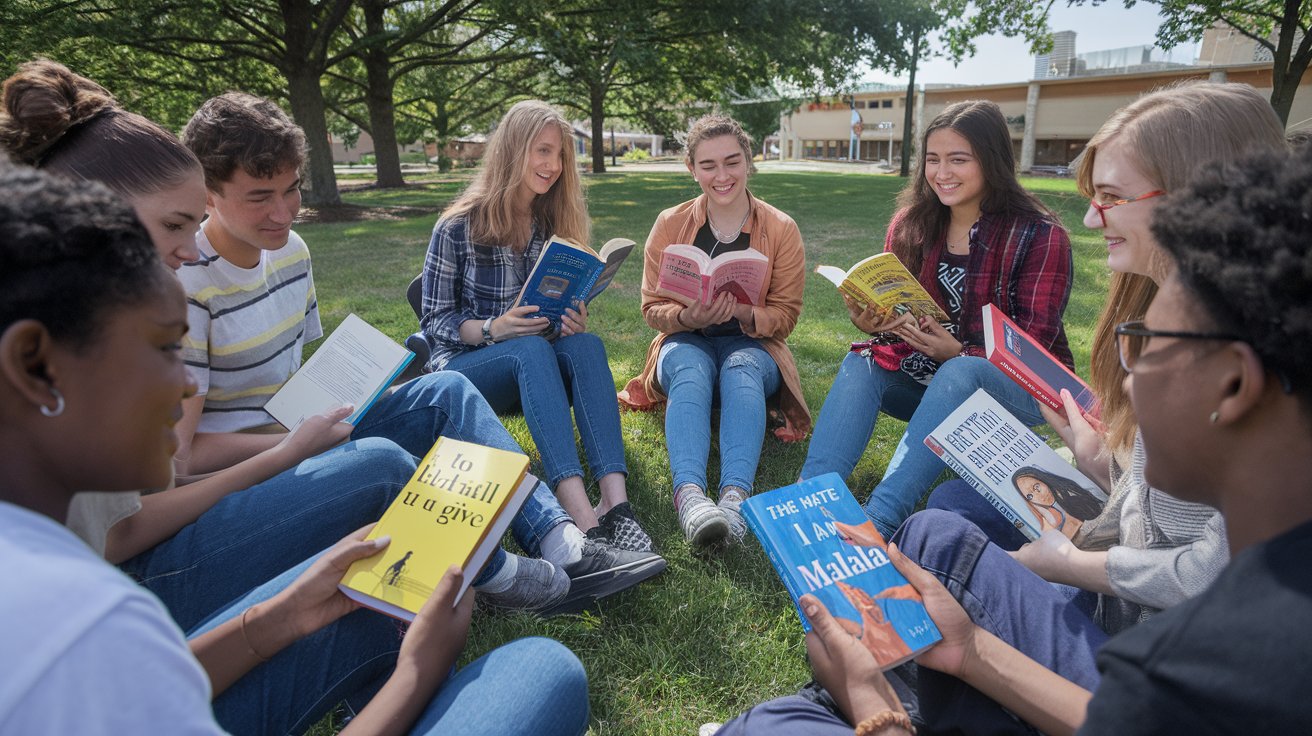
Books like The Hate U Give by Angie Thomas continue to influence young readers in 2025, while newer releases address current social movements and digital age racism. These fiction books for teens provide safe spaces to explore difficult topics while developing emotional intelligence and cultural awareness.
Award-Winning Teen Fiction Titles
Several award-winning books about racism have earned recognition from the American Library Association and other prestigious organizations. These titles demonstrate exceptional literary merit while addressing complex racial themes. Recent Coretta Scott King Award winners and National Book Award recipients offer excellent starting points for teenage readers exploring racism through fiction.
Diverse Voices in Teen Literature
The landscape of diverse teen literature has expanded significantly, featuring authors from various racial and ethnic backgrounds. These authentic voices provide insider perspectives on experiences with racism, microaggressions, and cultural identity. Publishers are increasingly prioritizing own voices narratives that offer genuine representation for teenage readers seeking mirrors of their own experiences.
Historical Non-Fiction for Teenage Readers
Historical non-fiction books about racism provide essential context for understanding contemporary racial issues. These titles explore pivotal moments in civil rights history, from slavery and segregation to modern social justice movements. Well-researched books make complex historical events accessible to teenage audiences through engaging narratives and compelling documentation.
Recent publications have focused on lesser-known historical figures and untold stories of resistance and resilience. These educational books for teens fill important gaps in traditional curricula while encouraging critical thinking about historical patterns and their modern implications.
Graphic Novels and Visual Narratives
Graphic novels about racism combine powerful visual storytelling with important social messages. These accessible formats engage reluctant readers while tackling serious subjects through compelling artwork and dialogue. Recent releases have earned critical praise for their innovative approaches to discussing racial justice and historical events through visual media.
Titles like March by John Lewis and New Kid by Jerry Craft demonstrate how visual storytelling can effectively address racism for teenage audiences. These books often serve as gateway texts, encouraging further exploration of racial justice topics through traditional prose formats.
Biographical Graphic Novels
Biographical graphic novels for teens showcase the lives of civil rights leaders, activists, and ordinary people who confronted racism. These visual biographies make historical figures accessible to modern teenagers while illustrating the ongoing relevance of their struggles and achievements. Recent publications feature both well-known and overlooked figures from civil rights history.
Contemporary Issues in Visual Format
Modern graphic novels address current manifestations of racism, including police brutality, educational inequality, and social media discrimination. These titles help teenagers understand how historical patterns of racism continue to affect contemporary society. Visual narratives often make complex social issues more accessible to diverse learning styles and reading preferences.
Poetry Collections and Spoken Word
Poetry books about racism offer emotional and artistic approaches to exploring racial experiences. Collections by contemporary poets provide diverse perspectives on identity, discrimination, and resilience through powerful verse. These books often resonate deeply with teenage readers who appreciate the emotional honesty and creative expression found in poetry.
Spoken word collections and performance poetry books capture the energy and immediacy of live presentations while addressing urgent social justice themes. Many teen poetry collections feature works by young poets who share generational perspectives on racism and social change.
Books Addressing Intersectionality
Intersectional books for teenagers explore how racism intersects with other forms of discrimination based on gender, sexuality, religion, and class. These complex narratives help readers understand the multifaceted nature of identity and prejudice. Contemporary authors are increasingly addressing these layered experiences through nuanced storytelling and character development.
Books featuring characters who navigate multiple marginalized identities provide important representation for teenage readers with similar experiences. These inclusive teen books promote understanding of how various forms of oppression interact and compound each other in real-world situations.
Age-Appropriate Content Guidelines
Selecting age-appropriate books about racism requires careful consideration of mature themes and sensitive content. Many excellent titles address racism without excessive violence or inappropriate material for teenage readers. Librarians and educators often provide guidance on selecting books that challenge readers while remaining suitable for their developmental stage.
Content warnings and reader reviews help parents and educators make informed decisions about books for teen readers. Many publishers now include age recommendations and content descriptions to assist in appropriate book selection for different maturity levels and reading abilities.
Reading Level Considerations
Books about racism span various reading difficulty levels to accommodate different teenage readers. High-low books provide complex themes in accessible language for struggling readers, while advanced titles challenge accelerated students. Teachers and librarians often recommend starting with more accessible titles before progressing to complex historical or theoretical works.
Content Sensitivity Guidelines
Understanding sensitive content guidelines helps adults support teenage readers encountering difficult material about racism. Many books include trigger warnings or content advisories for topics like violence, hate speech, or traumatic historical events. Providing context and support enhances the educational value of challenging reads about racial justice.
Building Classroom and Home Libraries
Creating comprehensive diverse book collections requires intentional selection of titles representing various perspectives and experiences. School libraries and classroom collections benefit from including multiple formats and reading levels to serve all students effectively. Recent studies show that diverse book collections improve reading engagement and cultural understanding among teenage students.
Home libraries can support family discussions about racism and social justice through carefully curated book selections. Parents seeking books about racism for family reading should consider titles that encourage meaningful conversations while being appropriate for their teenager’s individual needs and interests.
Related video about books about racism for teens 2025
This video complements the article information with a practical visual demonstration.
Most asked questions about books about racism for teens 2025
What are the most recommended books about racism for high school students in 2025?
Top recommendations include The Hate U Give by Angie Thomas, Dear Martin by Nic Stone, and Stamped: Racism, Antiracism, and You by Jason Reynolds. These books address contemporary racial issues through engaging narratives that resonate with teenage readers while promoting critical thinking about social justice.
How can parents discuss difficult topics from books about racism with their teenagers?
Parents should create safe, open environments for discussion by asking thoughtful questions and listening actively to their teenager’s perspectives. Start conversations by asking what the teen learned or felt while reading, and be prepared to share your own reflections. Consider reading the same books to facilitate meaningful dialogue about racial issues.
Are graphic novels about racism appropriate for middle school students?
Many graphic novels about racism are excellent for middle school readers, including New Kid by Jerry Craft and March by John Lewis. These visual narratives make complex topics accessible while maintaining age-appropriate content. Always review content beforehand to ensure alignment with individual student maturity levels and family values.
What should teachers consider when selecting books about racism for classroom use?
Teachers should evaluate reading levels, content sensitivity, curriculum alignment, and diverse representation when selecting books about racism. Consider your students’ backgrounds, provide proper context and support materials, and ensure books offer multiple perspectives. Professional development and colleague consultation can help inform appropriate selections for classroom instruction.
How do contemporary books about racism differ from historical accounts?
Contemporary books about racism often focus on current manifestations like social media discrimination, modern police encounters, and present-day microaggressions. Historical accounts examine past events like slavery, segregation, and civil rights movements. Both perspectives are valuable for helping teenagers understand how historical patterns of racism continue to influence modern society.
Which books about racism feature LGBTQ+ characters or intersectional themes?
Books featuring intersectional themes include Felix Ever After by Kacen Callender and Cemetery Boys by Aiden Thomas. These titles explore how racism intersects with other forms of discrimination, providing representation for teenagers who navigate multiple marginalized identities while addressing complex social justice themes.
| Book Category | Key Features | Educational Benefits |
|---|---|---|
| Contemporary Fiction | Relatable characters, current issues | Develops empathy and critical thinking |
| Historical Non-Fiction | Documented events, factual accounts | Provides historical context and understanding |
| Graphic Novels | Visual storytelling, accessible format | Engages reluctant readers, visual learning |
| Poetry Collections | Artistic expression, emotional depth | Encourages creative thinking and expression |