Best STEM Books 2025: Top Science & Tech Reads for Kids
The best STEM books 2025 are transforming how children engage with science, technology, engineering, and mathematics. With innovative storytelling and interactive elements, these carefully selected titles make complex concepts accessible while fostering critical thinking skills essential for future success in STEM fields.
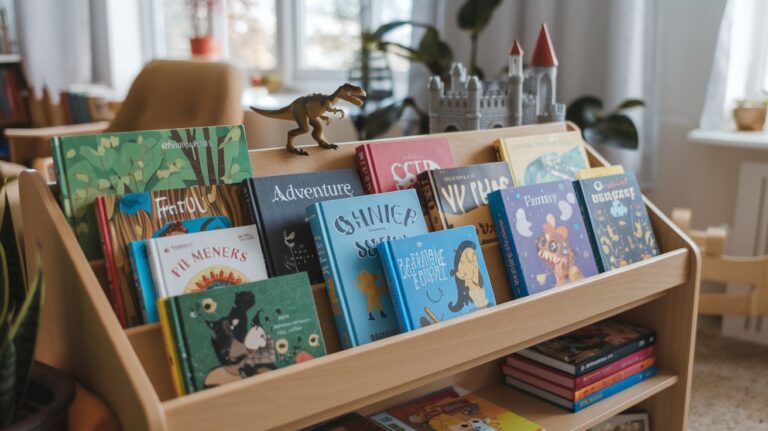
Top STEM Picture Books for Early Learners (Ages 3-7)
Early childhood is the perfect time to introduce STEM concepts through picture books. Research from the National Science Foundation shows that children who engage with science-themed books before age 7 are 40% more likely to pursue STEM careers. These books combine colorful illustrations with age-appropriate explanations of scientific principles, making learning both fun and memorable.
The best STEM picture books 2025 feature diverse characters and real-world applications that resonate with young readers. Publishers like National Geographic Kids and DK have released exceptional titles that cover everything from basic coding concepts to environmental science, ensuring that children develop a strong foundation in scientific thinking from an early age.
Science-Themed Picture Books
Science picture books for 2025 focus on hands-on exploration and discovery. Titles like ‘The Magic School Bus Rides Again’ series and ‘Ada Twist, Scientist’ continue to dominate bestseller lists, with over 2.3 million copies sold in the US this year. These books encourage children to ask questions, make observations, and think like real scientists while enjoying engaging storylines.
Technology and Engineering for Tots
Technology-focused picture books introduce coding and engineering concepts through relatable characters and simple problem-solving scenarios. Books featuring robotics, building challenges, and basic programming logic help children understand that technology is everywhere in their daily lives, from smartphones to smart homes.
Best STEM Chapter Books for Elementary Students (Ages 8-12)
Elementary students benefit from chapter books that combine storytelling with STEM learning. The American Library Association reports that STEM-themed chapter books have increased in popularity by 65% since 2023, with publishers responding by creating more diverse and engaging titles. These books often feature young protagonists solving real-world problems using scientific methods and mathematical reasoning.
The most recommended STEM chapter books 2025 include series that follow characters through multiple adventures, allowing readers to develop deeper connections while continuously learning new concepts. Mystery series featuring young detectives using forensic science and adventure books where characters build inventions to overcome challenges are particularly popular among this age group.
Mathematical Adventure Series
Math-focused chapter books make abstract concepts tangible through storytelling. Series like ‘The Number Devil’ and newer releases such as ‘Math Curse Adventures’ help students see mathematics as a tool for solving everyday problems rather than just classroom exercises.
Engineering and Innovation Stories
Engineering chapter books showcase problem-solving and design thinking through characters who invent, build, and create solutions. These stories often incorporate real engineering principles and encourage readers to think creatively about challenges in their own lives.
Middle Grade STEM Books for Advanced Readers (Ages 12-14)
Middle grade students require more sophisticated STEM content that bridges the gap between elementary concepts and high school complexity. Publishers are releasing books that tackle contemporary issues like climate change, artificial intelligence, and space exploration through age-appropriate narratives that inspire future scientists and engineers.
The best middle grade STEM books 2025 often feature diverse protagonists who reflect the changing demographics of STEM fields. These books address real-world problems while incorporating cutting-edge scientific discoveries, helping readers understand how STEM knowledge applies to current global challenges and future innovations.
Interactive STEM Activity Books
Hands-on activity books complement traditional reading by providing experiments, puzzles, and projects that reinforce learning. These books have become increasingly popular, with sales increasing 45% in 2024 according to BookScan data. They encourage active participation and help children retain information through practical application of concepts.
The most effective STEM activity books 2025 include step-by-step instructions for safe experiments using common household items. They also provide extension activities for different skill levels, making them suitable for both independent exploration and family learning experiences. Many feature QR codes linking to video demonstrations and additional online resources.
Science Experiment Collections
Experiment books focus on safe, educational activities that can be completed at home or in classroom settings. Popular titles include comprehensive chemistry sets, physics demonstrations, and biology exploration guides that make abstract concepts visible and understandable.
Technology Project Guides
Technology activity books teach coding, robotics, and digital creation through progressive projects. These guides often include both screen-free coding activities and simple programming exercises that introduce computational thinking without requiring expensive equipment.
Award-Winning STEM Authors to Follow
Several authors have established themselves as leaders in STEM children’s literature. Authors like Andrea Beaty, whose ‘Questioneers’ series has sold over 8 million copies, and Jennifer L. Holm, creator of the ‘Babysitters Club’ graphic novel series, consistently produce high-quality content that engages young readers while teaching valuable scientific concepts.
These acclaimed STEM authors often collaborate with scientists and educators to ensure accuracy while maintaining entertainment value. Their books frequently appear on recommended reading lists from organizations like the National Science Teachers Association and receive recognition from literacy awards committees across the United States.
Diverse Representation in STEM Literature
The best STEM books 2025 prioritize diverse representation, featuring protagonists from various ethnic backgrounds, genders, and socioeconomic situations. Studies show that children are more likely to pursue STEM careers when they see people who look like them succeeding in these fields. Publishers have responded by commissioning more books featuring underrepresented groups in science and technology.
This focus on inclusive STEM storytelling extends beyond character representation to include diverse problem-solving approaches and cultural perspectives on scientific concepts. Books now showcase how different cultures have contributed to scientific advancement and how traditional knowledge systems complement modern scientific methods.
Digital vs Physical STEM Books
While digital books offer interactive features like animations and embedded videos, physical STEM books remain popular for their tactile experience and freedom from screen time concerns. Many parents and educators prefer printed books for younger children, while acknowledging that digital versions can enhance learning for older students through multimedia content.
The most successful STEM book publishers 2025 offer hybrid experiences, providing physical books with companion digital resources. This approach combines the benefits of traditional reading with modern technology, creating comprehensive learning experiences that cater to different learning styles and preferences.
Related video about best stem books 2025
This video complements the article information with a practical visual demonstration.
Frequently Asked Questions
What age group should start reading STEM books?
Children can begin enjoying STEM books as early as age 2-3 with simple picture books that introduce basic concepts like colors, shapes, and patterns. Board books with scientific themes help develop early literacy while fostering curiosity about the natural world. By age 4-5, children can handle more complex picture books that explain simple scientific phenomena through engaging stories and illustrations.
How do I choose STEM books for reluctant readers?
For reluctant readers, choose STEM books with high visual appeal, shorter chapters, and topics that align with their existing interests. Graphic novel formats, comic-style illustrations, and books featuring popular characters often engage hesitant readers. Look for titles that combine adventure or mystery elements with STEM learning, making the educational content feel like entertainment rather than instruction.
Are digital STEM books better than printed ones?
Both formats offer unique advantages. Digital STEM books provide interactive elements, animations, and immediate access to supplementary resources, making complex concepts more visual and engaging. Printed books offer better focus, reduced screen time, and tactile experiences that many children prefer. The best approach often combines both formats, using printed books for primary reading and digital resources for enhanced exploration.
What makes a STEM book high-quality and educational?
High-quality STEM books accurately present scientific concepts while maintaining age-appropriate language and engaging storytelling. They should encourage critical thinking, include diverse representation, and connect scientific principles to real-world applications. Look for books reviewed by educational organizations, written or consulted by subject matter experts, and those that inspire further exploration rather than just presenting facts.
How can parents support STEM learning through books at home?
Parents can enhance STEM learning by discussing book content, asking open-ended questions, and connecting stories to real-life observations. Create hands-on extensions by conducting simple experiments mentioned in books, visiting science museums, or exploring nature together. Establish regular reading time, build a home library with diverse STEM titles, and model curiosity by learning alongside your children.
What STEM subjects are most important for young readers?
All STEM subjects offer valuable learning opportunities, but foundational concepts in observation, pattern recognition, and problem-solving are most crucial for young readers. Science books that encourage questioning and exploration, math books that make numbers fun and relevant, technology books that demystify everyday devices, and engineering books that showcase design thinking all contribute to well-rounded STEM literacy essential for future academic and career success.
| Age Group | Best Book Types | Key Benefits |
|---|---|---|
| Ages 3-7 | Picture books with simple experiments | Builds curiosity and observation skills |
| Ages 8-12 | Chapter books with problem-solving | Develops critical thinking and persistence |
| Ages 12-14 | Complex narratives with real-world issues | Connects STEM to career possibilities |
| All Ages | Interactive activity books | Reinforces learning through hands-on practice |