Best Multicultural Children’s Books 2025: Top Diverse Reads
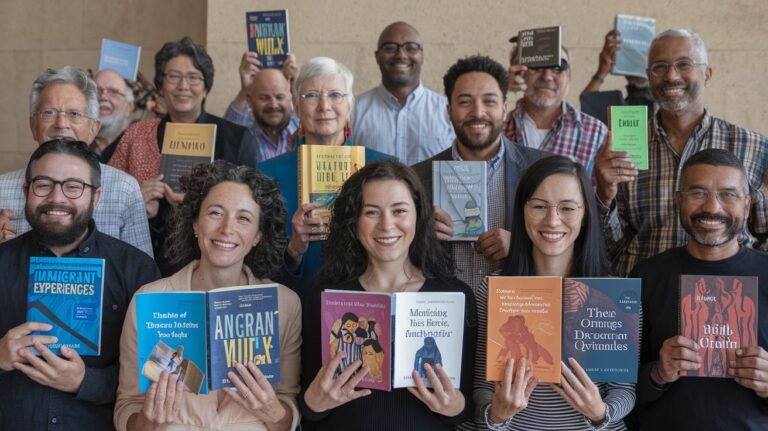
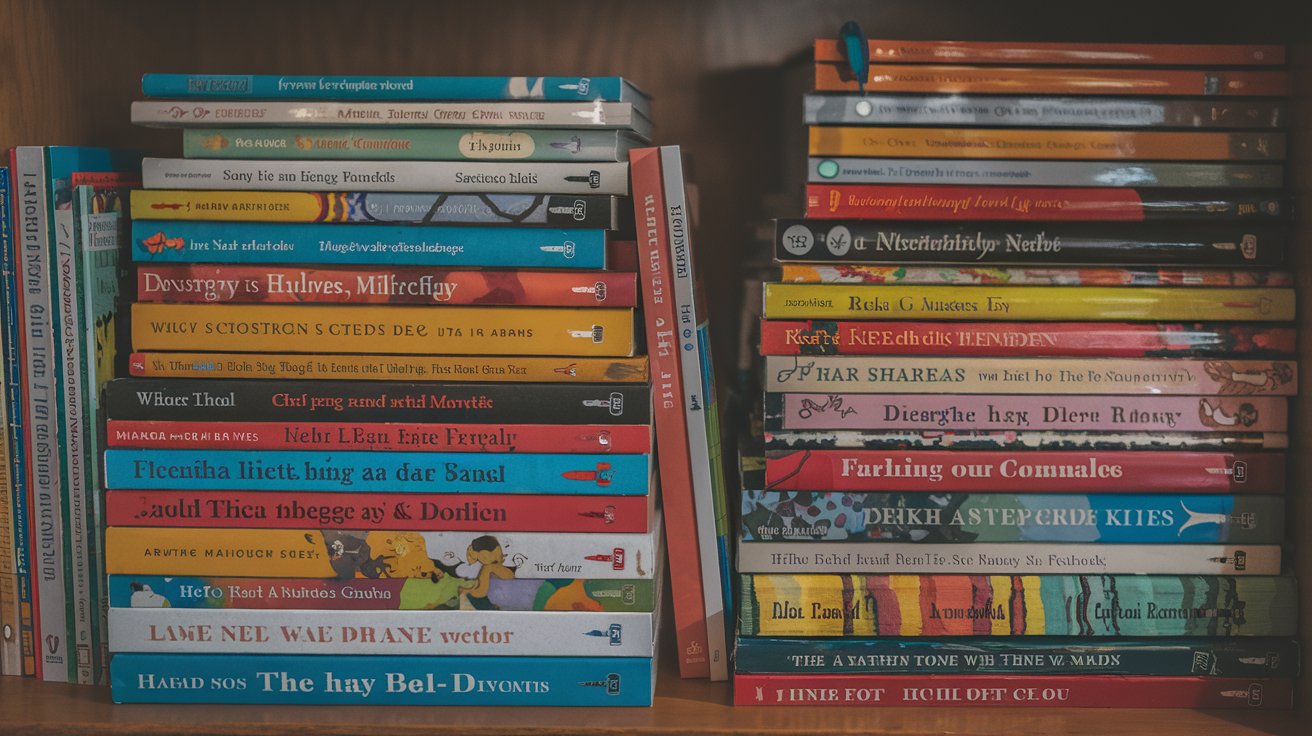
Multicultural children’s books open young minds to diverse perspectives, cultures, and experiences from around the world. These multicultural children’s books help children develop empathy, cultural awareness, and global understanding while enjoying engaging stories. From picture books featuring different ethnic backgrounds to middle-grade novels exploring immigration experiences, diverse literature has become essential in every child’s reading journey.
Why Multicultural Children’s Books Matter in 2025
The importance of multicultural children’s books has reached new heights in American classrooms and homes. According to the Cooperative Children’s Book Center, books by and about people of color represented 41% of all children’s books published in 2024, showing significant progress in diverse representation. These books help children see themselves reflected in literature while learning about others different from themselves.
Research from the American Library Association demonstrates that children who read diverse children’s literature develop stronger critical thinking skills and show increased empathy toward others. Schools across the United States report improved classroom discussions about identity, belonging, and cultural appreciation when incorporating multicultural books into their curricula.
Top Multicultural Picture Books for Ages 3-8
Multicultural picture books serve as perfect introductions to diverse stories for young readers. Recent Caldecott Medal winners like ‘The Undefeated’ by Kwame Alexander and ‘Last Stop on Market Street’ by Matt de la Peña showcase the power of culturally rich storytelling. These books combine beautiful illustrations with meaningful narratives that celebrate different cultures and experiences.
Popular titles gaining recognition in 2024-2025 include books featuring Asian American experiences, Indigenous stories, and Latino family traditions. Libraries nationwide report increased circulation of diverse picture books as parents and educators seek authentic representations of various cultural backgrounds for their children’s collections.
Award-Winning Diverse Picture Books
The Coretta Scott King Award and Pura Belpré Award continue highlighting exceptional multicultural children’s books in 2025. Recent winners include stories celebrating African American heritage, Mexican American traditions, and Native American cultures. These award-winning books meet rigorous literary standards while authentically representing diverse experiences and perspectives for young readers.
Interactive Cultural Learning Through Pictures
Interactive multicultural books engage young readers through sensory elements, fold-out maps, and cultural activities. Publishers like Lee & Low Books and Cinco Puntos Press lead in creating immersive reading experiences that teach children about different traditions, languages, and customs through interactive storytelling techniques that make learning about diversity fun and memorable.
Essential Middle-Grade Multicultural Novels
Middle-grade multicultural children’s books tackle more complex themes while remaining age-appropriate for readers aged 8-12. Books like ‘New Kid’ by Jerry Craft and ‘The First Rule of Punk’ by Celia C. Pérez address identity, friendship, and cultural navigation in contemporary American settings. These novels help preteens understand their own identities while appreciating others’ experiences.
The 2024-2025 publishing season features numerous diverse middle-grade novels exploring immigrant experiences, biracial identity, and cultural tradition preservation. Publishers report increased demand from schools and libraries for books that reflect America’s growing multicultural student population, with particular emphasis on #OwnVoices narratives written by authors from the communities they represent.
Contemporary Issues in Multicultural Fiction
Modern multicultural children’s books address current social issues including immigration, identity formation, and cultural code-switching. Authors like Renée Watson, Jason Reynolds, and Padma Venkatraman create authentic narratives that help children understand complex social dynamics while celebrating cultural richness and resilience in contemporary American communities.
Historical Multicultural Stories for Young Readers
Historical diverse children’s literature brings past experiences to life through compelling storytelling. Books exploring the Japanese American internment, the Underground Railroad, and Native American history provide educational value while honoring diverse historical experiences. These narratives help children understand how different communities have shaped American history and culture.
Building Diverse Home and School Libraries
Creating comprehensive collections of multicultural children’s books requires intentional selection and ongoing evaluation. The American Library Association recommends that children’s collections include at least 30% diverse books to accurately reflect America’s multicultural society. Schools implementing diverse reading programs report improved student engagement and cultural understanding among their student populations.
Budget-conscious families and educators can access diverse children’s literature through public library systems, digital lending platforms, and community book exchanges. Many publishers offer classroom sets and educator discounts to support schools building inclusive reading collections that serve their diverse student populations effectively.
Authentic Representation vs. Cultural Appropriation
Selecting authentic multicultural children’s books requires understanding the difference between genuine cultural representation and appropriation. The We Need Diverse Books organization provides guidelines for identifying books written by authors from the communities they represent, ensuring authentic voices and perspectives in children’s literature.
Educators and parents should research author backgrounds and seek recommendations from cultural community organizations when choosing diverse children’s books. Book review sources like Kirkus Reviews and School Library Journal now include cultural authenticity assessments in their reviews to help readers make informed selection decisions.
Evaluating Cultural Authenticity in Books
Key indicators of authentic multicultural children’s books include accurate cultural details, respectful language use, and complex character development that avoids stereotypes. Publishers increasingly work with cultural consultants and sensitivity readers to ensure books meet authenticity standards while telling compelling stories that resonate with young readers from all backgrounds.
Supporting Authors from Diverse Backgrounds
Supporting diverse children’s literature means actively seeking books by authors from underrepresented communities. Organizations like the Highlights Foundation and We Need Diverse Books offer mentorship programs for emerging diverse authors, helping increase authentic representation in children’s publishing while creating opportunities for new voices to reach young readers.
Using Multicultural Books in Educational Settings
Effective integration of multicultural children’s books in classrooms requires thoughtful planning and cultural sensitivity training for educators. Teachers using diverse literature report improved classroom discussions about identity, empathy, and global citizenship among their students. Professional development programs help educators learn best practices for facilitating meaningful conversations around cultural differences and similarities.
Reading comprehension improves when children see themselves reflected in diverse children’s literature, according to 2024 studies from the Reading Recovery Council. Students from multicultural backgrounds show increased engagement and academic performance when their classroom libraries include books featuring characters and experiences similar to their own cultural backgrounds and family structures.
Digital Resources for Multicultural Reading
Digital platforms expanding access to multicultural children’s books include Epic Books for Kids, Hoopla Digital, and diverse audiobook collections through services like Audible and Libro.fm. These platforms offer extensive collections of diverse literature with search filters for specific cultural representations, age groups, and reading levels to help families find appropriate multicultural content.
Virtual author visits and online cultural programming complement diverse children’s literature experiences. Many authors now offer virtual school visits, allowing students nationwide to connect directly with diverse creators and learn about different cultural experiences through interactive presentations and reading sessions conducted via video conferencing platforms.
Future Trends in Multicultural Children’s Publishing
The 2025 publishing landscape shows continued growth in multicultural children’s books with emerging focus areas including mixed-race identity, refugee experiences, and contemporary Indigenous stories. Publishers report increased investment in diverse titles, with major houses like Penguin Random House and Macmillan committing to specific diversity goals for their children’s book catalogs.
Technology integration in diverse children’s literature includes augmented reality features, QR codes linking to cultural resources, and interactive digital components that enhance storytelling experiences. These innovations help young readers connect more deeply with different cultures while maintaining the core benefits of traditional multicultural storytelling and cultural learning opportunities.
Related video about multicultural children’s books
This video complements the article information with a practical visual demonstration.
Key Questions and Answers
What age groups benefit most from multicultural children’s books?
All age groups benefit from multicultural children’s books, but research shows maximum impact when introduced during early elementary years (ages 4-8). At this developmental stage, children form core understanding about diversity and empathy. However, middle-grade readers (ages 8-12) also gain significant benefits as they navigate identity formation and social awareness during these crucial developmental years.
How can parents ensure multicultural books are culturally authentic?
Parents can verify authenticity by researching author backgrounds, checking if authors belong to the cultures they write about, and consulting organizations like We Need Diverse Books for recommendations. Look for books with cultural consultant credits, positive reviews from cultural community organizations, and avoid books with stereotypical representations or overly simplistic cultural portrayals.
What percentage of children’s books should represent diverse cultures?
The American Library Association recommends that at least 30% of children’s book collections include diverse representations to reflect America’s multicultural society accurately. However, many educators suggest aiming for 40-50% diversity to ensure children encounter various cultural perspectives regularly and develop comprehensive global awareness through their reading experiences.
Do multicultural children’s books improve academic performance?
Yes, studies from 2024 show that students with access to multicultural children’s books demonstrate improved reading comprehension, critical thinking skills, and classroom engagement. Children who see themselves reflected in literature show particular academic gains, while all students benefit from exposure to diverse perspectives through increased empathy and cultural understanding development.
Where can families find affordable multicultural children’s books?
Families can access affordable multicultural children’s books through public libraries, digital platforms like Epic Books for Kids, used bookstore multicultural sections, community book swaps, and publisher direct sales during diversity-focused promotions. Many libraries also offer take-home diverse book bags and summer reading programs featuring multicultural titles at no cost to families.
How do teachers effectively incorporate multicultural books in curriculum?
Effective incorporation requires connecting multicultural books to learning objectives, facilitating respectful discussions about cultural differences, providing cultural context for stories, and ensuring books represent authentic voices rather than stereotypes. Teachers should receive cultural competency training and work with community cultural organizations to enhance multicultural literature experiences for their students through meaningful educational partnerships.
| Key Aspect | Important Details | Benefit |
|---|---|---|
| Cultural Authenticity | #OwnVoices authors and cultural consultants | Accurate representation and respect |
| Age Appropriateness | Picture books (3-8), Middle-grade (8-12) | Developmental stage alignment |
| Collection Diversity | Minimum 30% diverse books recommended | Comprehensive cultural exposure |
| Educational Impact | Improved empathy and critical thinking | Enhanced academic performance |
| Access Methods | Libraries, digital platforms, community programs | Affordable diverse reading options |